Rohto Melano CC Essence vs Anua Niacinamide 10% + TXA 4% Serum
Japan's drugstore vitamin C benchmark against Korea's high-percentage niacinamide serum. Two routes to the same goal, with different tolerance profiles.
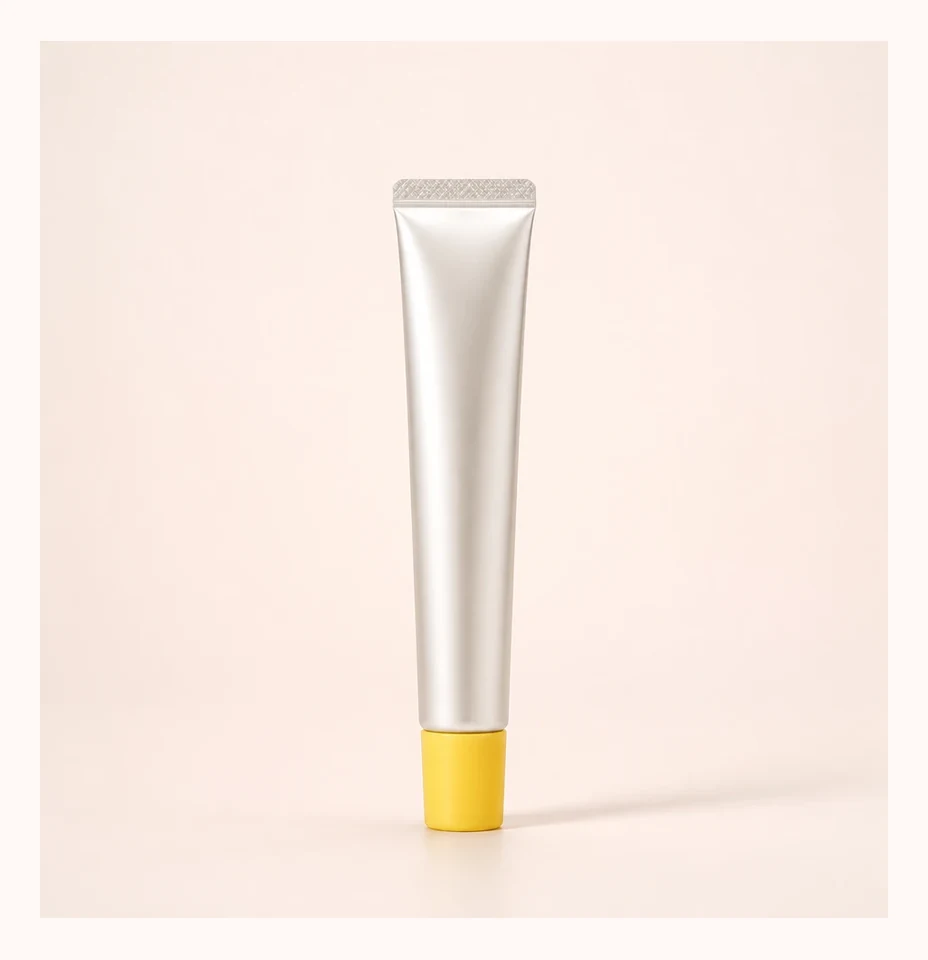
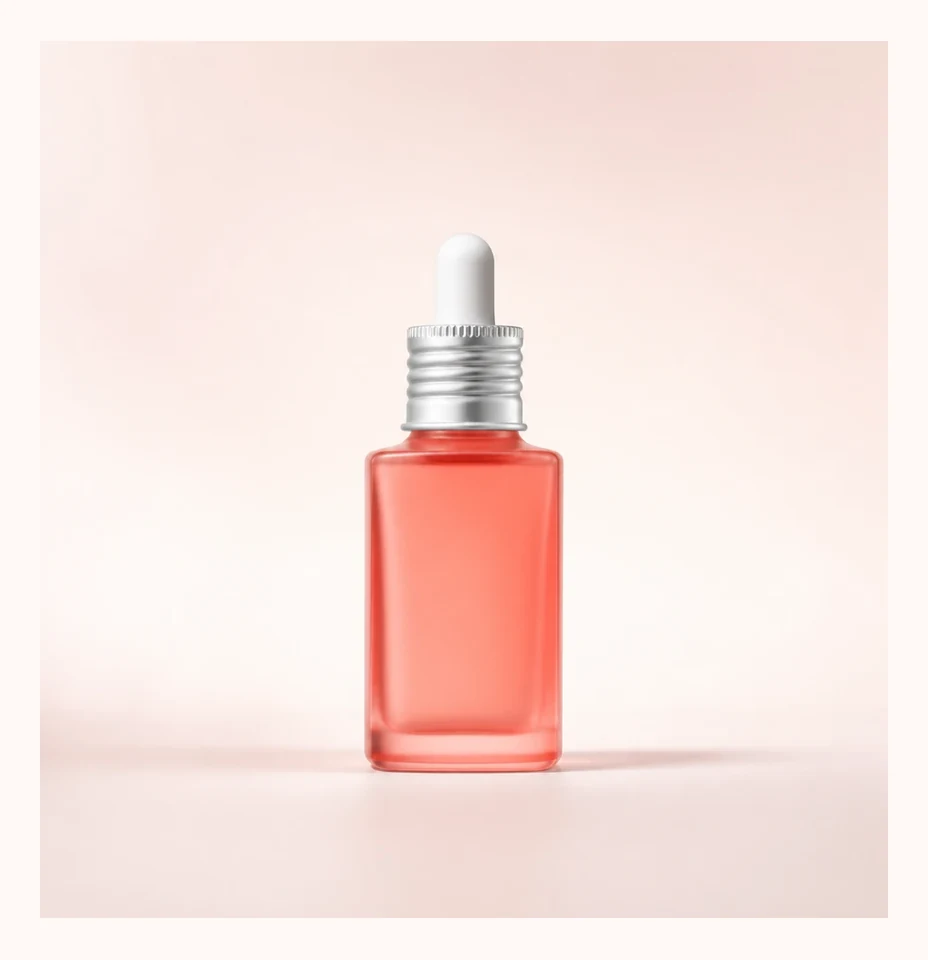
| Rohto Melano CC | Anua | |
|---|---|---|
| Key actives | Pure vitamin C, vitamin E | Niacinamide 10%, tranexamic acid 4% |
| Origin | Japan | Korea |
| Texture | Light oil-in-water essence, spreads thin | Watery serum |
| Scent | Sharp citrus-medicinal, noticeable | Minimal |
| Tolerance | Can sting on sensitive or broken skin | Gentler, though 10% niacinamide flushes some people |
| Size & price | 20 ml, about $17 | 30 ml, about $22 |
| Best for | Fresh post-acne marks, dullness, oily skin | Broad unevenness, sensitive skin, daily long-term use |
| Who should skip it | Sensitive or actively broken-out skin; anyone bothered by strong scent | Anyone who flushes at niacinamide |
The verdict
Melano CC is the sharper, cheaper option and suits oily skin and fresh post-acne marks, but the pure vitamin C and the strong scent make it a harder sell for sensitive skin. Anua's serum is the easier one to use every day for months, which for pigmentation matters more than peak strength. Buy Melano CC if you tolerate potent vitamin C, Anua if you want something you will not quit.
Buy — from $17 Opens the retailer’s page in a new tab. Prices change with promotions — the shop shows the current one.
Buy — from $22 Opens the retailer’s page in a new tab. Prices change with promotions — the shop shows the current one.
The short version
Two of Asia’s biggest sellers against dark spots, arriving from opposite directions. Rohto Melano CC Concentration Measures Essence is Japan’s drugstore vitamin C benchmark: potent, cheap, and famously sharp-smelling. Anua’s Niacinamide 10% + TXA 4% Dark Spot Serum takes the Korean route — high-percentage niacinamide with tranexamic acid, in a formula built for daily use.
Two mechanisms, one goal
Pure vitamin C
Pure vitamin C — ascorbic acid rather than a derivative — is the most studied brightening antioxidant there is, and Melano CC delivers it alongside vitamin E, a pairing formulators use for stability. The trade-offs are the ones this ingredient always brings: it is unstable in air and light, it can sting, and it smells like it means business. The 20 ml bottle is small partly because it is not meant to sit open for six months.
Niacinamide and tranexamic acid
Niacinamide at 10% and tranexamic acid at 4% work on tone through different routes, and both are far easier to live with day to day. There is no oxidation problem, no scent to negotiate with, and the formula plays well alongside almost anything except a same-step acid. A minority of people flush at 10% niacinamide; if that is you, alternate nights.
How they feel in a routine
Melano CC is an oil-in-water essence that spreads thin and sinks in fast, which suits oily skin. Many people use it at night specifically to avoid layering an unstable vitamin C under a full day of sun and makeup, though morning use with sunscreen over it is also common. The scent fades within a minute or two, but it is genuinely strong on first application.
Anua’s serum is watery and unremarkable in the best sense — it goes on, it disappears, and nothing about it demands attention. That is the practical argument for it: pigmentation work is measured in months, and the product you will still be using in month four beats the stronger one you abandoned in week three.
Price and how long they last
About $17 for 20 ml against about $22 for 30 ml. Melano CC is cheaper per bottle but smaller, and because vitamin C degrades once opened, you have a shorter useful window regardless of how much liquid remains. Realistically, both cost a similar amount to run for a year.
Which one fits your skin
- Choose Melano CC if your skin is oily or resilient, your marks are fresh rather than years old, and strong actives do not bother you.
- Choose Anua if your skin is sensitive, your unevenness is broad rather than spotted, or you want a step you can apply twice a day without thinking about it.
- Using both: possible, but keep them apart — one in the morning, one at night — rather than layering, and stop if your skin starts feeling raw.
The part neither product does
Sunscreen is the load-bearing element of any dark spot routine. Without it, both of these are pouring water into a bucket with a hole in it, because daylight resupplies pigment faster than either formula fades it. Take a photo before you start, give it twelve weeks, and judge from that. Persistent melasma is a different problem from post-acne marks, and it is worth a dermatologist rather than a longer shelf.
Frequently asked
Does Rohto Melano CC sting?
It can, on sensitive or broken skin u2014 this is pure ascorbic acid rather than a derivative, and the citrus-medicinal scent is genuinely strong for the first minute. Oily, resilient skin usually gets on with it fine.
Why did my Melano CC turn orange?
Ascorbic acid oxidizes on contact with air and light, and the color shift is the visible sign of it. Discard it at that point; the 20 ml bottle is small precisely because it is not meant to sit open for six months.
Can I use Melano CC and a niacinamide serum together?
Yes, but keep them apart u2014 one in the morning, one at night u2014 rather than layering, and stop if your skin starts feeling raw. The old claim that niacinamide cancels out vitamin C does not hold up in modern formulas.
Which works faster on post-acne marks?
Melano CC is the sharper option on fresh marks, but pigmentation is measured in months, and the product you are still using in month four beats the stronger one you quit in week three. Our guide to niacinamide and tranexamic acid sets out what a realistic timeline looks like.
Will either of these help with melasma?
Melasma is a different problem from post-acne marks u2014 hormonally driven, stubborn and prone to returning. A dermatologist has tools that neither of these can match, and daily sun protection is non-negotiable in either case.