Centella asiatica
Centella asiatica, known in K-beauty shorthand as cica and in herbal traditions as gotu kola or tiger grass, is a small marsh plant used for centuries in Ayurvedic and traditional Chinese medicine for wound care. Its skincare value comes from a group of compounds called triterpenoid saponins: asiaticoside, madecassoside, asiatic acid and madecassic acid, collectively the centellosides.Research is comparatively good for a botanical. Studies describe support for wound healing, stimulation of collagen and glycosaminoglycan production including hyaluronic acid, antioxidant activity and protection of skin cells against ultraviolet damage in laboratory settings. Extract quality varies widely, and a formula built on a standardized extract with named centellosides is a different proposition from one listing centella far down the ingredient list.Brands position cica as the answer to redness, irritation and a damaged barrier, often on packaging in soothing greens and blues. The calming direction is well supported; specific promises about repairing the barrier overnight or clearing rosacea are not.Centella suits sensitized, red, over-exfoliated and generally reactive skin, and it is a good partner for anyone using retinoids or acids who needs a recovery step. It also works for oily skin, since cica formulas tend to be light. A small number of people are allergic to centella itself, so patch test if you react to botanicals; anyone allergic to plants in the carrot and parsley family should be especially careful.It layers with practically everything and is most useful as the buffer between an active and your moisturizer. Cica plus hyaluronic acid, panthenol, niacinamide or ceramides is a sensible combination for a stressed barrier.Two ways in: the SKIN1004 Madagascar Centella Hyalu-Cica Water-Fit Sun Serum for daytime, and the SKIN1004 Poremizing Light Gel Cream for oilier skin.
-
 Korea
SKIN1004
Korea
SKIN1004
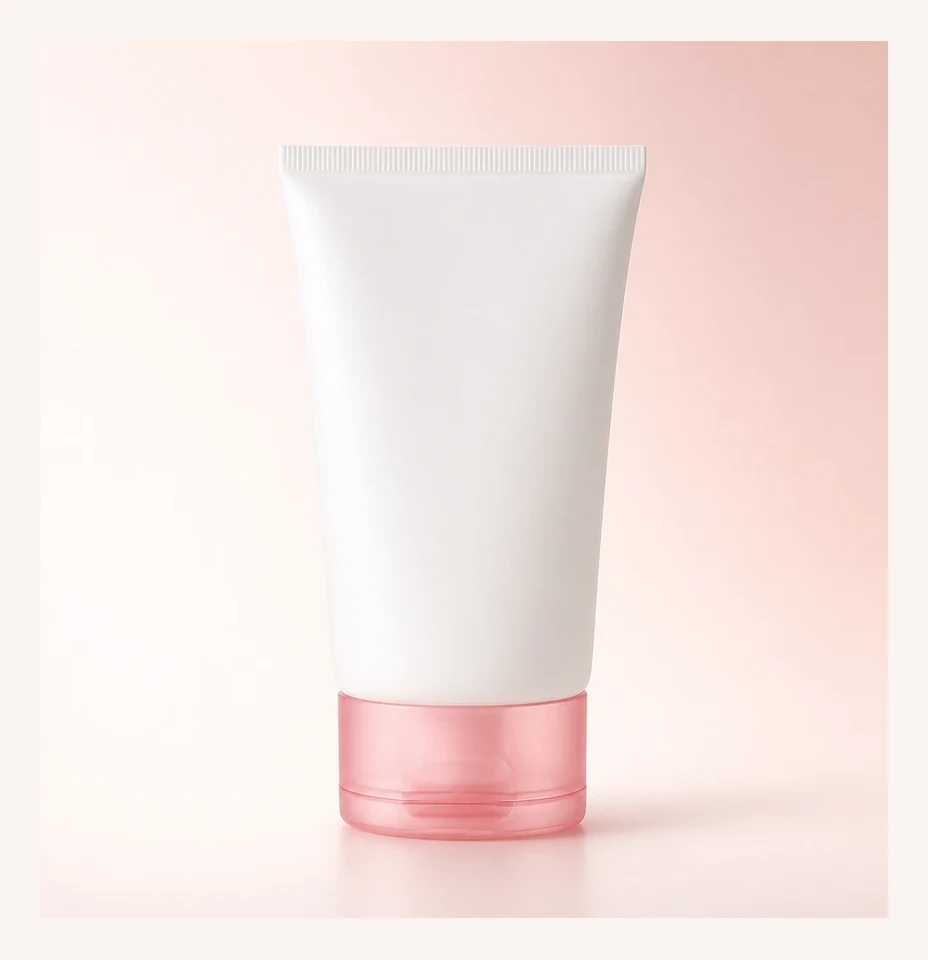
Madagascar Centella Poremizing Light Gel Cream
Centella asiatica
≈ $2175 ml
Gel texture for oily skin that still wants a moisturiser after actives.
Why it matters -
 Korea
SKIN1004
Korea
SKIN1004
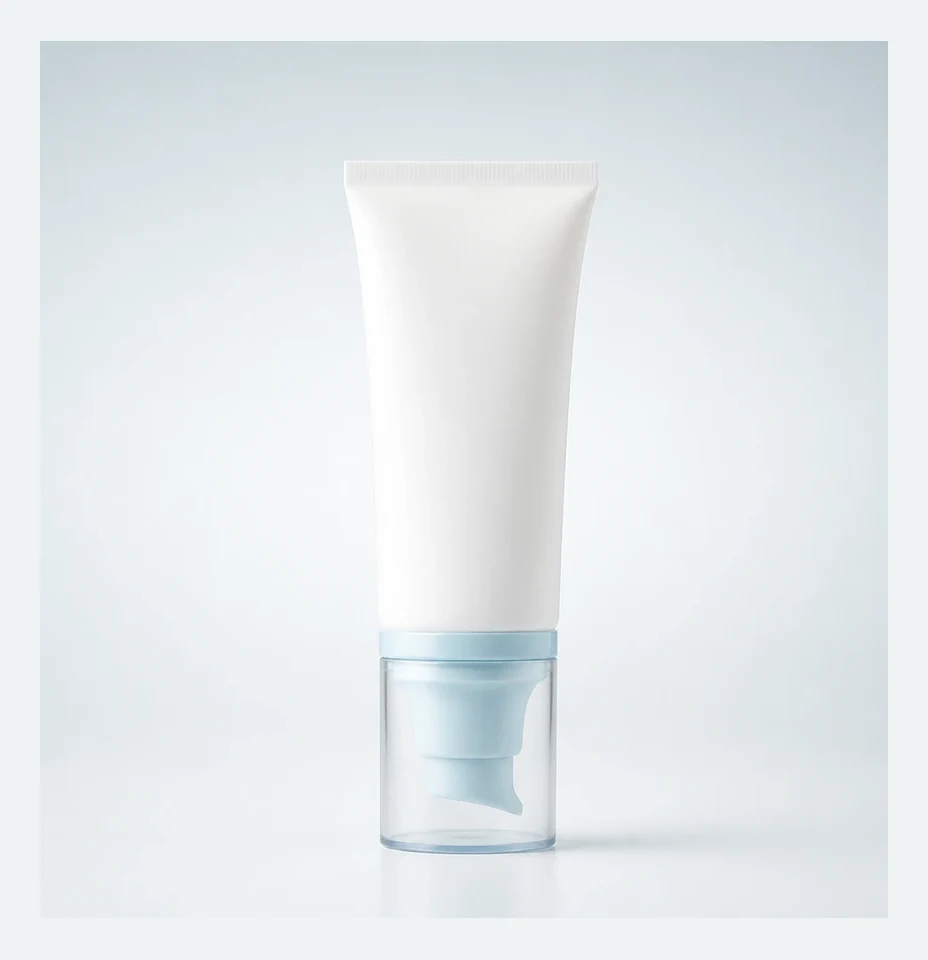
Madagascar Centella Hyalu-Cica Water-Fit Sun Serum SPF50 PA++++
Centella asiatica · Hyaluronic acid
≈ $1950 ml
Serum-light sunscreen that behaves under makeup and calms redness-prone skin.
Why it matters