Hyaluronic acid
Hyaluronic acid is a sugar molecule your body already makes, concentrated in skin, joints and eyes. In skincare it works as a humectant: it binds water and holds it in the upper layers of skin, which makes the surface look smoother and fuller. Formulas usually blend several molecular weights, and you will also see it as sodium hyaluronate, the salt form that dissolves more readily.The research here is unglamorous and well established. Topical hyaluronic acid measurably increases skin hydration and improves the appearance of fine surface lines that are really dehydration lines. What it does not do is rebuild collagen or permanently change skin structure; the effect lasts as long as you keep using it and keep it sealed in.Brand language often stretches this into deep filling, bounce and lasting plumpness, sometimes citing how many times its weight in water the molecule holds. That number is a laboratory property, not a promise about your face.It suits every skin type, which is why it appears in sunscreens, essences and serums alike. The one real caveat: in very dry air, a humectant with nothing layered over it can leave skin feeling tighter than before. Apply it to damp skin and follow with a moisturizer or cream. People who want texture, pigment or firmness work done should treat hyaluronic acid as support, not as the main active.It conflicts with essentially nothing. Hyaluronic acid buffers stronger partners like azelaic acid or vitamin C, and it sits happily under sunscreen. If a product stings, the acid is almost never the reason.Find it doing quiet work in the Hada Labo H.A. Supreme Vita Brightening Concentrate Serum and in the lightweight SKIN1004 Hyalu-Cica Water-Fit Sun Serum.
-
 NEW
Japan
Hada Labo
NEW
Japan
Hada Labo
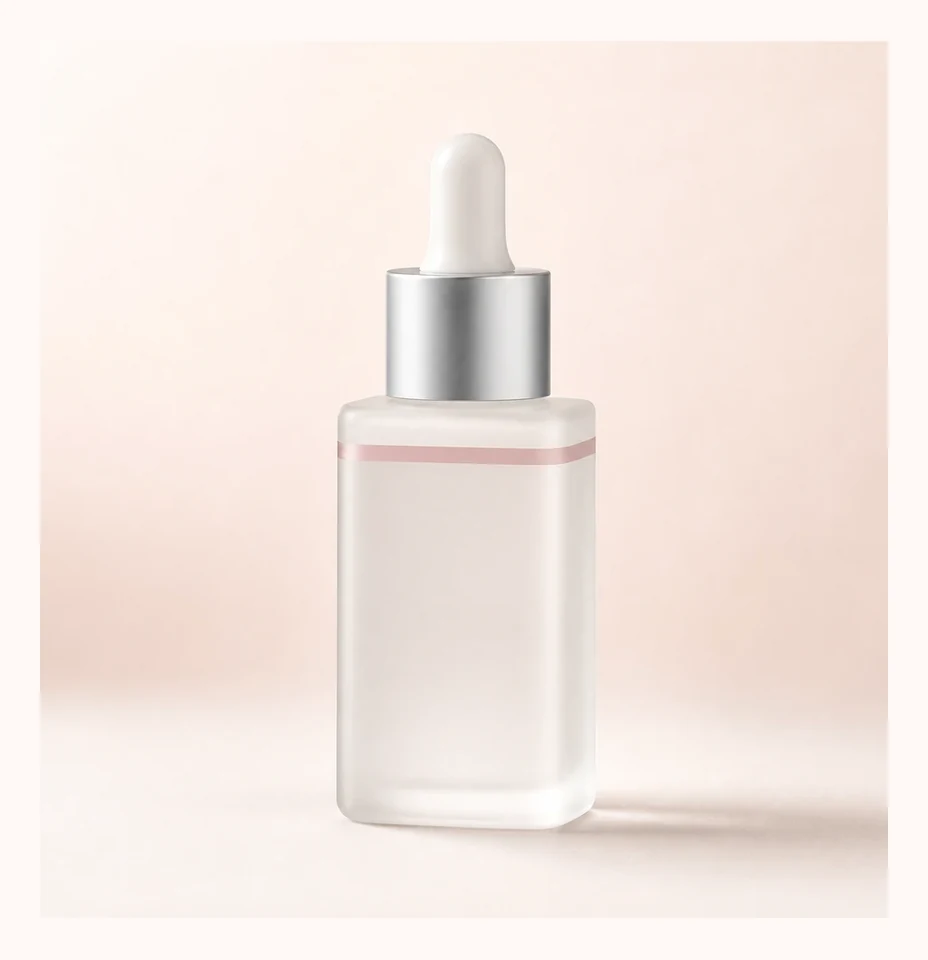
H.A. Supreme Vita Brightening Concentrate Serum
Hyaluronic acid · Vitamin C derivative
≈ $3930 ml
Hada Labo's layered hyaluronic acids with a brightening addition.
Why it matters -
 Japan
Bioré
Japan
Bioré
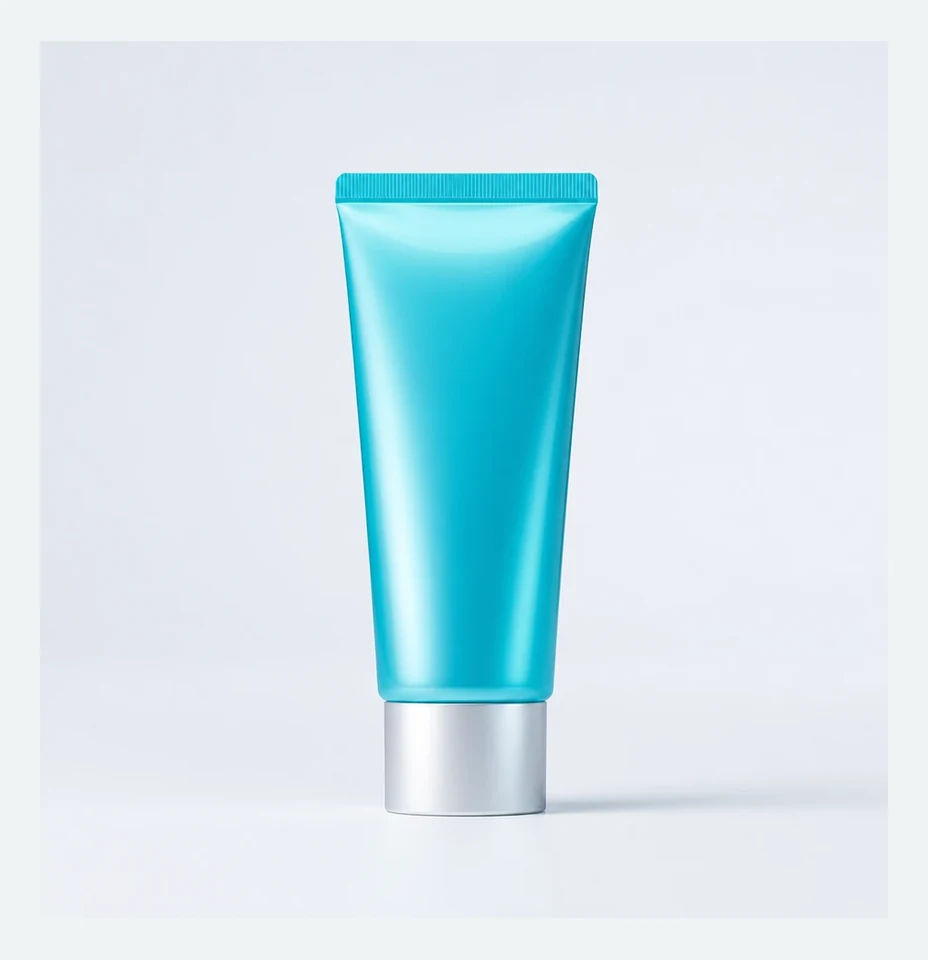
UV Aqua Rich Watery Essence SPF50+ PA++++
Hyaluronic acid
≈ $1570 g
The watery sunscreen texture everyone else has been chasing since 2015.
Why it matters -
 Korea
SKIN1004
Korea
SKIN1004
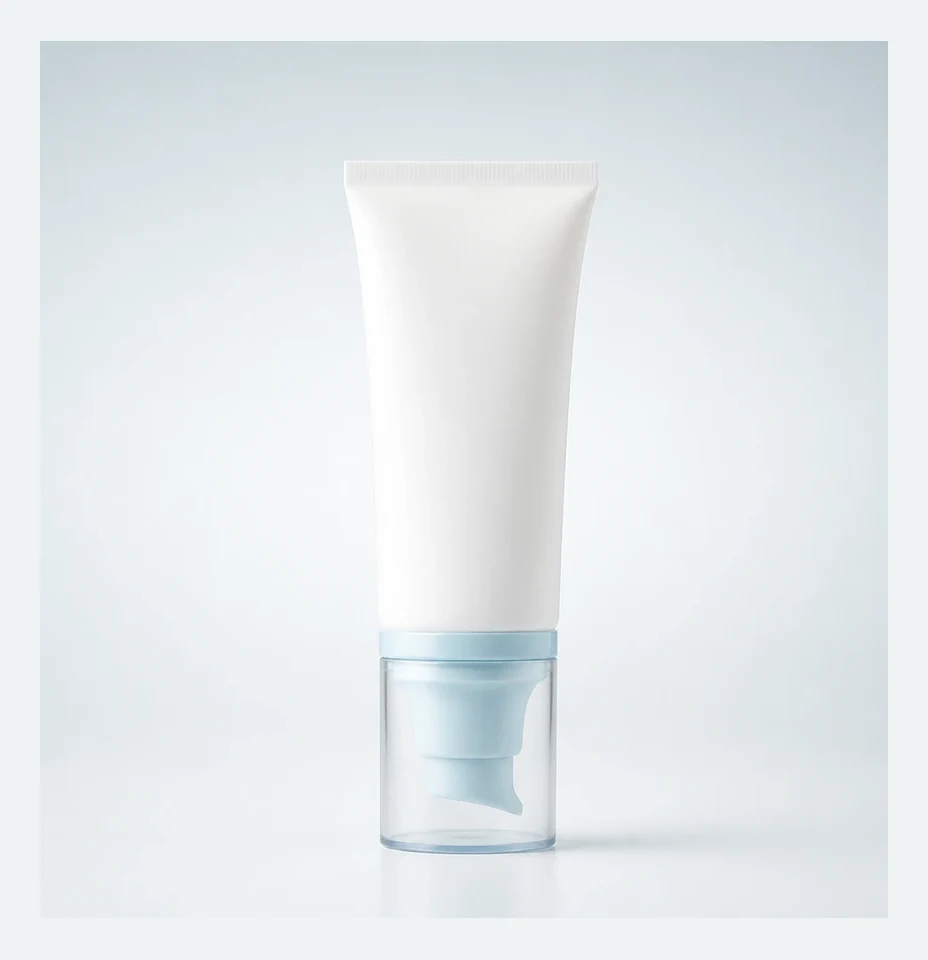
Madagascar Centella Hyalu-Cica Water-Fit Sun Serum SPF50 PA++++
Centella asiatica · Hyaluronic acid
≈ $1950 ml
Serum-light sunscreen that behaves under makeup and calms redness-prone skin.
Why it matters -
 NEW
Korea
Anua
NEW
Korea
Anua
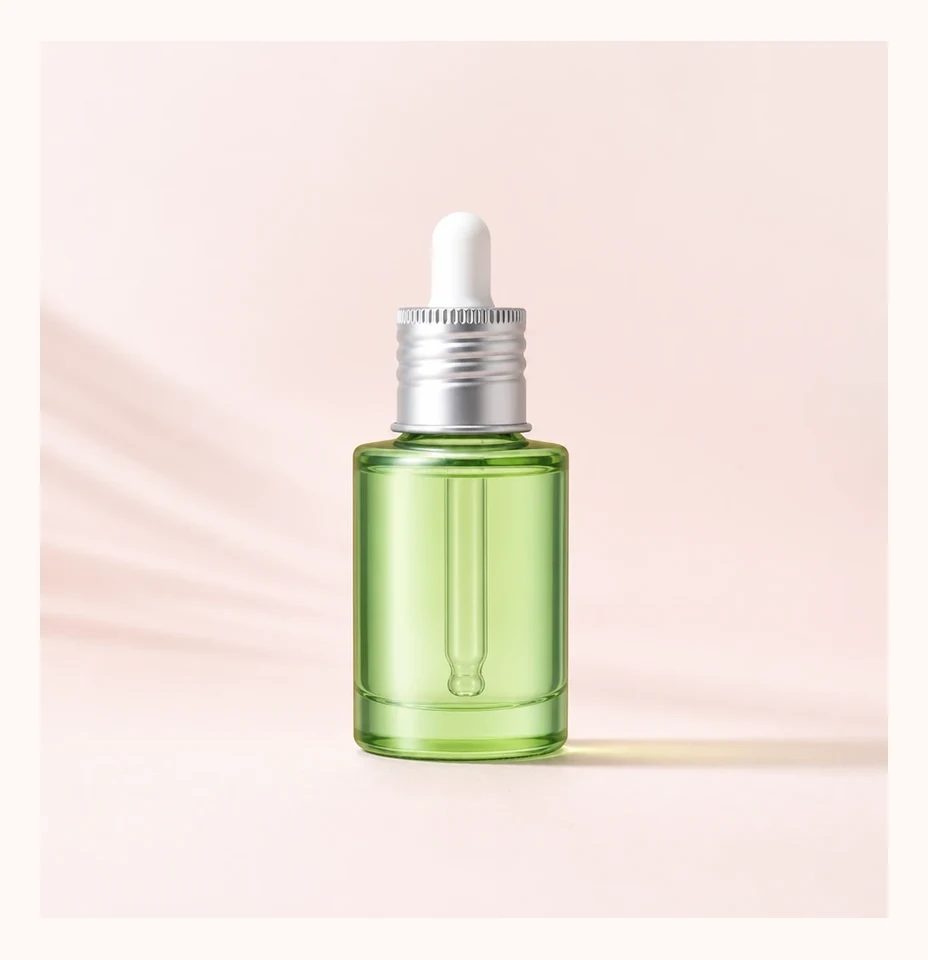
Azelaic Acid 10 Hyaluron Redness Soothing Serum
Azelaic acid 10% · Hyaluronic acid
≈ $2230 ml
Azelaic acid at a usable strength, buffered with hyaluronic acid for reactive skin.
Why it matters