Niacinamide
Niacinamide is a form of vitamin B3, and it is one of the few cosmetic actives that earns its reputation across several different concerns at once. It is water soluble, stable, inexpensive and comfortable on skin, which is why you find it in essences, serums, creams and sunscreens rather than only in treatment products.Research supports three main effects. Niacinamide encourages skin to make more ceramides and other barrier lipids, which reduces water loss and improves resilience. It interferes with the transfer of pigment granules to surface skin cells, which is why it turns up in products for uneven tone. And it has been shown to reduce the appearance of enlarged pores and surface oiliness. Most of the well-cited clinical work sits between 2 and 5 percent; higher is not reliably better.Brand claims often compress all of that into brightening. That word does a lot of work in marketing: in practice, niacinamide makes skin look more even and less dull over weeks, and it does not act on existing pigment as directly as vitamin C or tranexamic acid.It suits nearly everyone, including oily, combination and barrier-damaged skin. The people who should be careful are those who flush easily or have rosacea, since a minority find niacinamide tingles or triggers redness, more often at higher percentages. Introduce it a few times a week and build up.Layering is easy: niacinamide sits well with hyaluronic acid, ceramides, peptides, azelaic acid and retinoids, where it can take some of the edge off. The old caution about mixing it with vitamin C comes from laboratory conditions that modern formulas rarely reproduce, though sensitive skin may still prefer them at opposite ends of the day.It works quietly inside the Beauty of Joseon Dynasty Cream.
-
 Korea
Beauty of Joseon
Korea
Beauty of Joseon
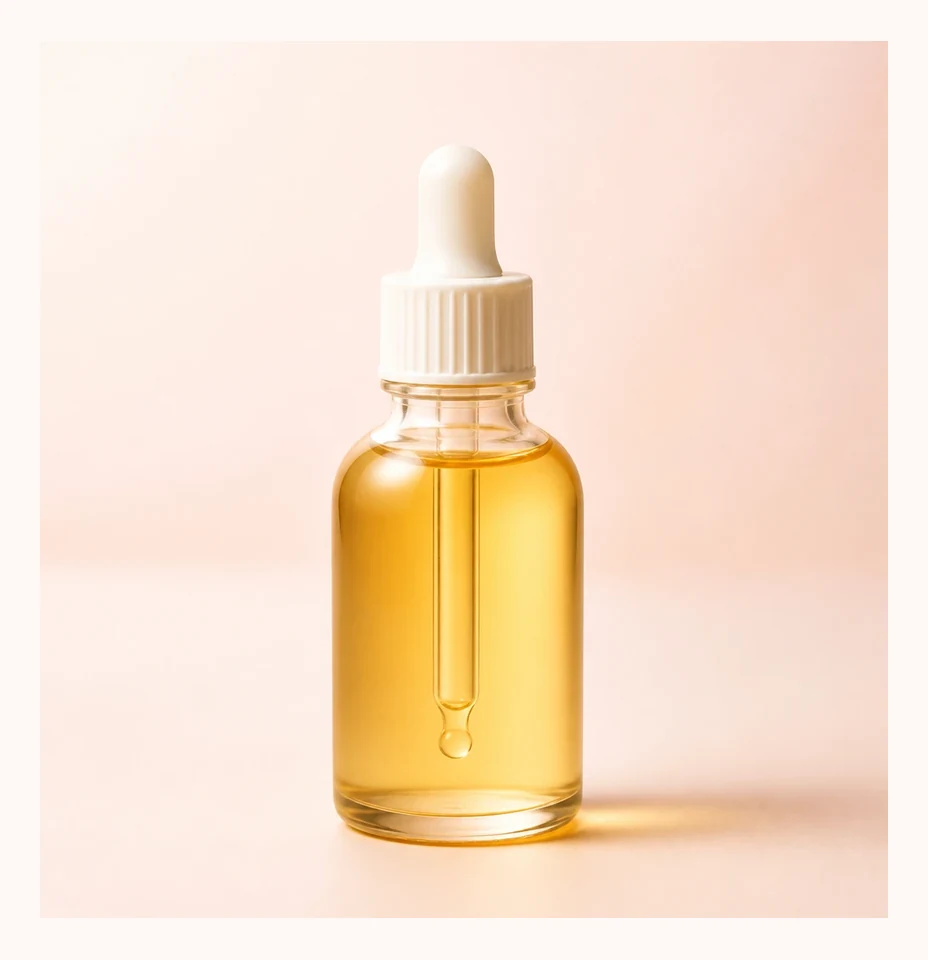
Glow Serum: Propolis + Niacinamide
Propolis · Niacinamide 2%
≈ $2460 ml
Sticky-sweet propolis texture that suits dehydrated skin better than most brightening serums.
Why it matters -
 Korea
Beauty of Joseon
Korea
Beauty of Joseon
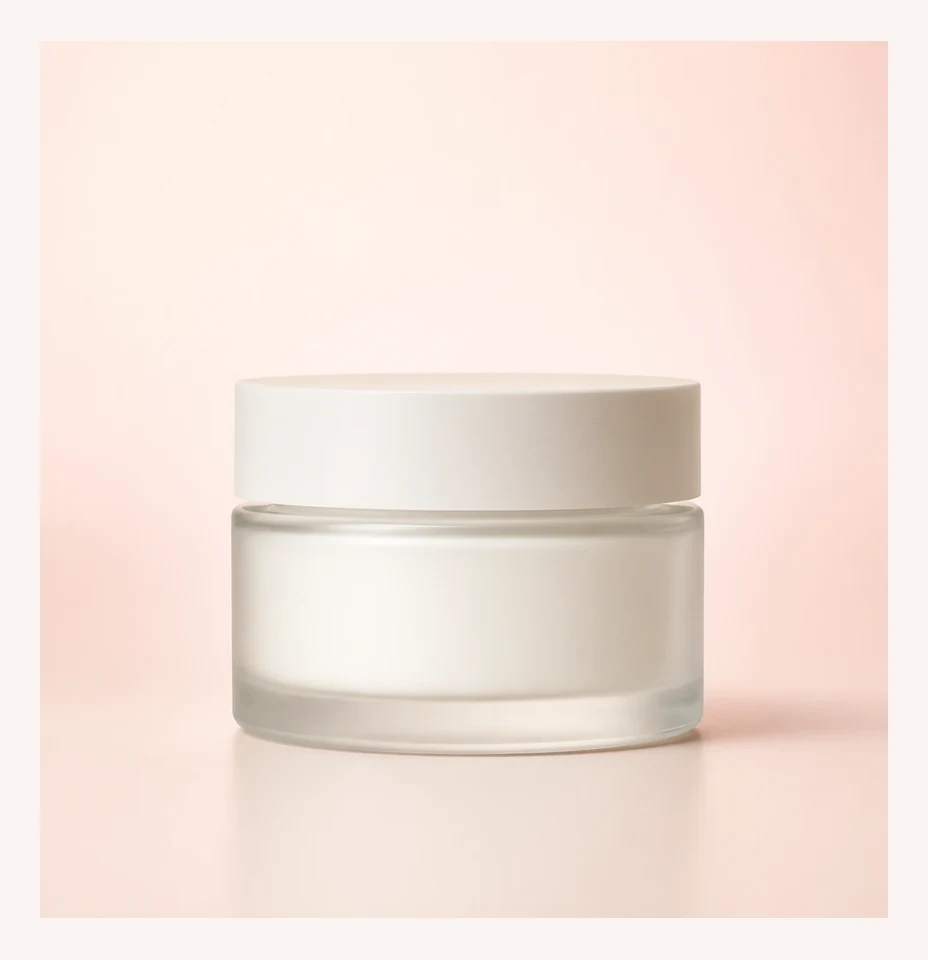
Dynasty Cream
Rice bran water · Niacinamide
≈ $2450 ml
A rich but non-greasy finish — the brand's answer to winter dryness.
Why it matters -
 NEW
Korea
Anua
NEW
Korea
Anua
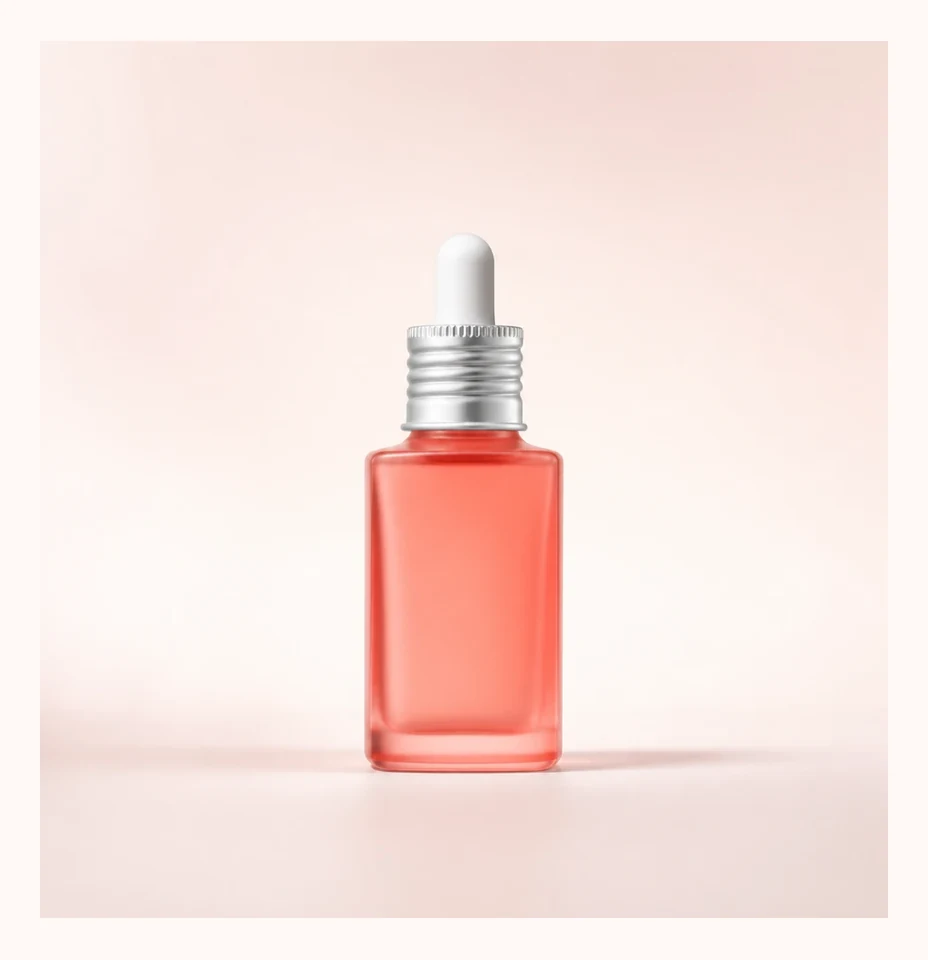
Niacinamide 10% + TXA 4% Dark Spot Serum
Niacinamide 10% · Tranexamic acid 4%
≈ $2230 ml
A high-percentage pairing aimed squarely at post-acne marks and uneven tone.
Why it matters