PDRN
PDRN stands for polydeoxyribonucleotide: short fragments of purified DNA, most often sourced from salmon or trout milt. It arrived in beauty by way of Korean dermatology clinics, where injectable versions have been used for years, and it now shows up in serums, ampoules and creams sold over the counter.What the research actually covers is worth separating from what you see on a box. Published work, much of it lab-based or built around injected and wound-care formats, describes PDRN interacting with the adenosine A2A receptor and supporting processes tied to repair, inflammation control and collagen production. Newer papers also look at plant- and microbe-derived versions. The open question for cosmetics is delivery: DNA fragments are large molecules, and how much of a leave-on product reaches living skin is not well established, which is why several brands pair PDRN with encapsulation.Brand claims usually run further than the data: bouncier, plumper-looking skin, faster visible recovery after strong actives, a lit-from-within finish. Read those as appearance claims about how skin looks, not as an at-home version of a clinic treatment.PDRN tends to suit skin that reads tired, crepey or a little slack, and people who like a comfortable, cushiony texture. It is less of a priority if your main concern is dark spots, where niacinamide, tranexamic acid or vitamin C have a longer track record, or if you avoid marine-derived ingredients. Anyone with a fish allergy should check the full ingredient list first.It layers easily. PDRN sits comfortably with peptides, hyaluronic acid, niacinamide and ceramides, and works well as the calm step in a routine that also uses retinoids or exfoliating acids on alternate nights. If your skin is reactive, introduce one new active at a time so you can tell what is doing what.Try it in the medicube PDRN Pink Peptide Serum or, for drier skin, the richer VT PDRN Capsule Cream 100.
-
 NEW
Korea
VT
NEW
Korea
VT
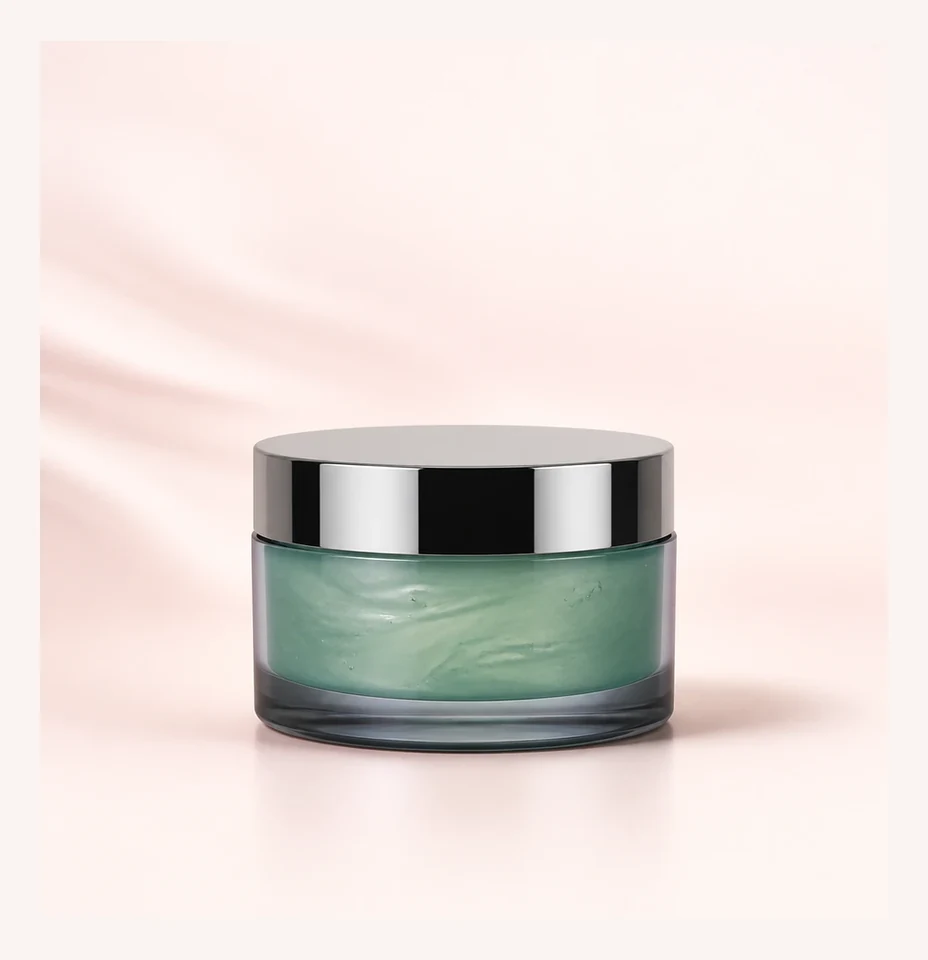
PDRN Capsule Cream 100
PDRN
≈ $3350 ml
PDRN in an encapsulated cream — a gentler format than serums for dry, tight skin.
Why it matters -
 NEW
Korea
medicube
NEW
Korea
medicube
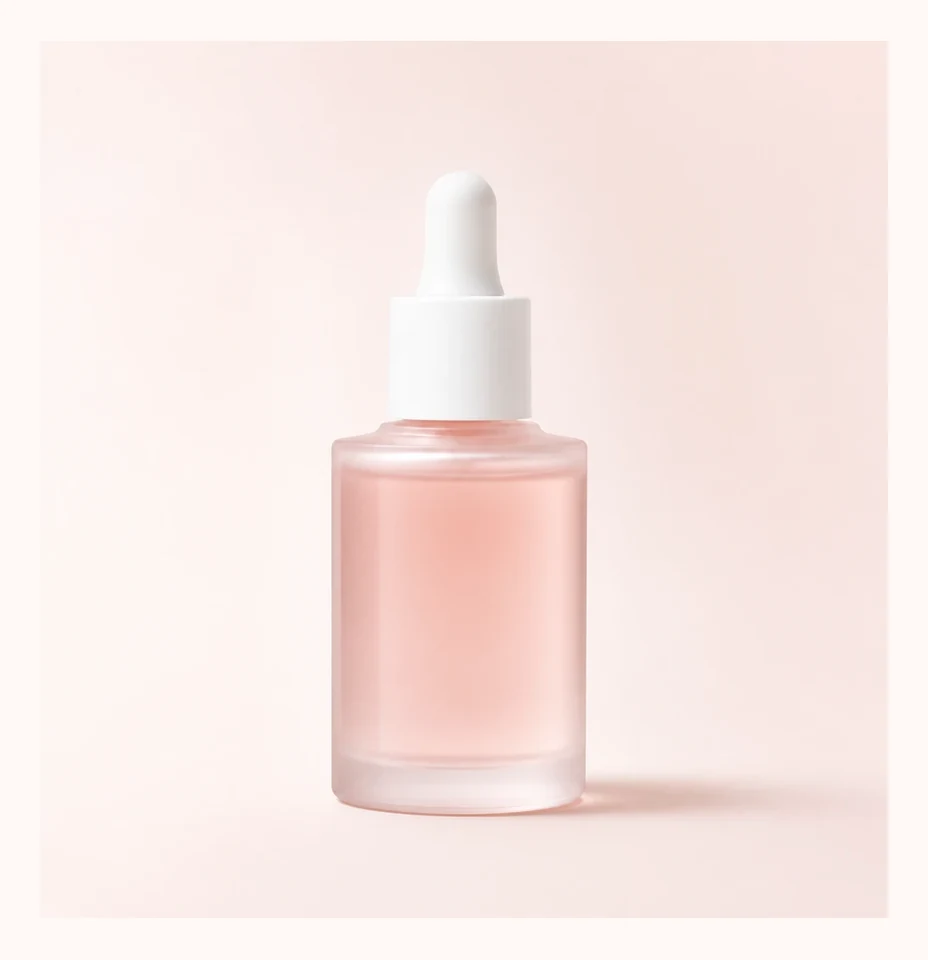
PDRN Pink Peptide Serum
PDRN · Peptides
The serum that pushed PDRN from clinics into everyday routines.
Why it matters