Peptides
Peptides are short chains of amino acids, the same building blocks that make up proteins like collagen and elastin. In a formula they act as messengers or as carriers: some are designed to signal skin cells, some carry trace minerals such as copper, and some are shaped to sit on the surface and smooth it. The word covers dozens of very different ingredients, which is why the INCI list matters more than the word itself.Research on individual peptides is more promising than conclusive. Signal peptides such as palmitoyl pentapeptide-4 have supportive clinical data for wrinkle appearance, and copper peptides have been studied in wound-healing contexts. Effects are generally modest and gradual compared with retinoids, and results from one peptide do not transfer to another. Concentration and formulation matter, and most brands do not disclose either.What brands say is usually broader: firmer, bouncier skin, visibly lifted contours, a smoothed look around the eyes and mouth. Treat those as descriptions of appearance over weeks of consistent use, not of structural change.Peptides suit almost everyone, which is part of their appeal. They rarely sting, they are usually fragrance-light, and they are a sensible first anti-aging step for people whose skin cannot tolerate retinoids. Skip them if you want fast results on active breakouts or stubborn pigment, where other actives are a better fit for the money.They pair well with niacinamide, hyaluronic acid, ceramides and PDRN. Older advice about not mixing peptides with acids or vitamin C is overstated for most modern formulas, though very low-pH products can be an awkward partner, so apply them at different times of day if your skin feels unhappy.Two easy entry points: the large-format COSRX The 6 Peptide Skin Booster Serum and the richer Centellian24 Madeca Cream Time Reverse.
-
 Korea
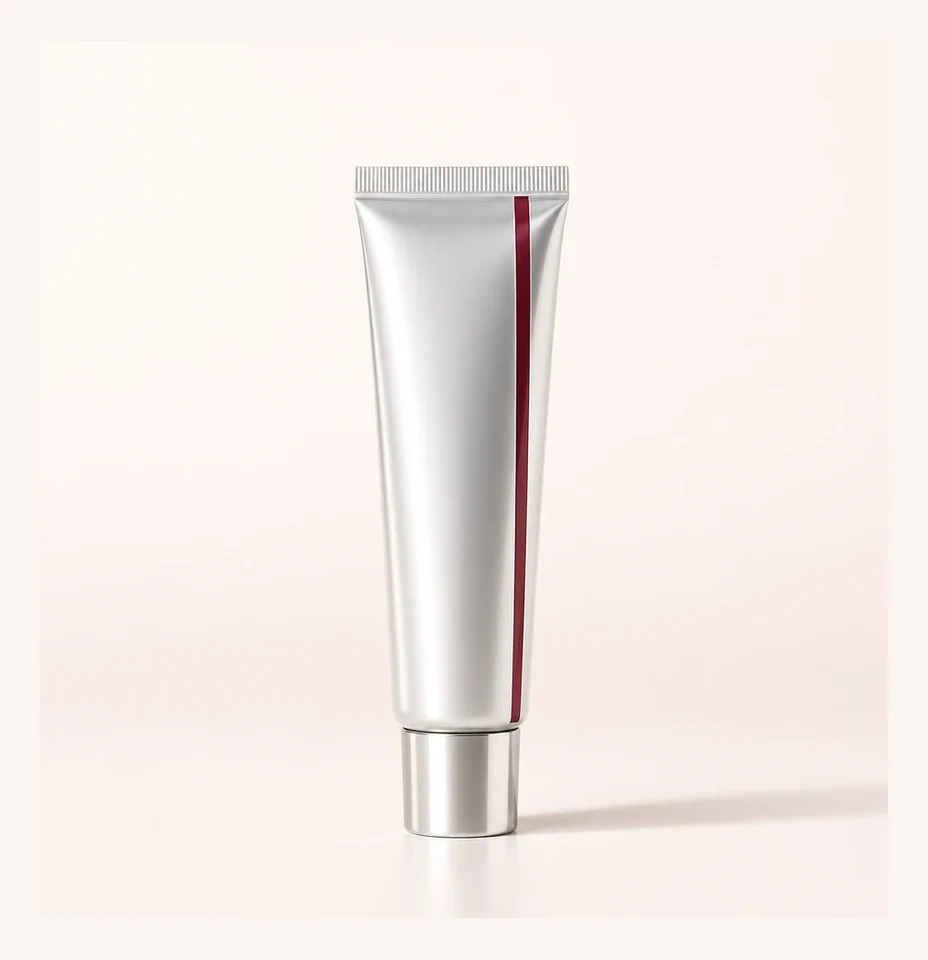
Centellian24
Korea
Centellian24
Madeca Cream Time Reverse (Season 7)
Madecassoside · Peptides
≈ $3250 ml
Pharmacy-brand centella cream reformulated yearly; this is the anti-aging version.
Why it matters -
 NEW
Korea
medicube
NEW
Korea
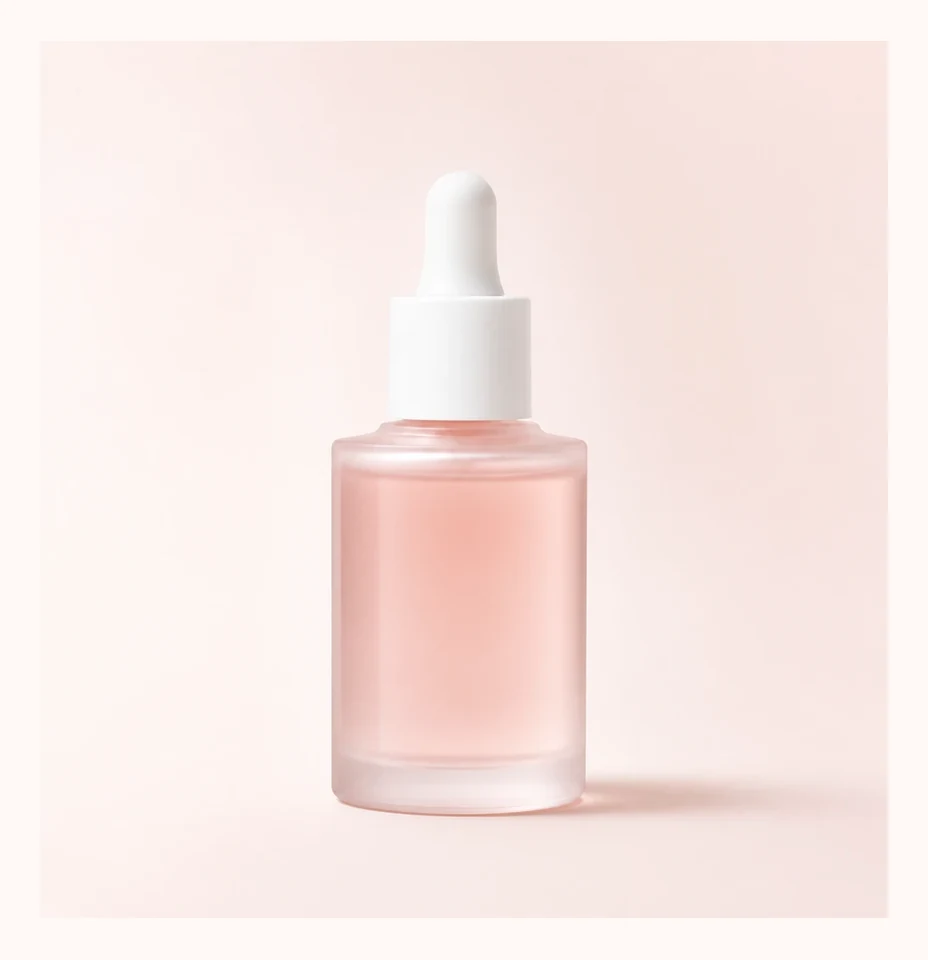
medicube
PDRN Pink Peptide Serum
PDRN · Peptides
The serum that pushed PDRN from clinics into everyday routines.
Why it matters -
 Korea
COSRX
Korea
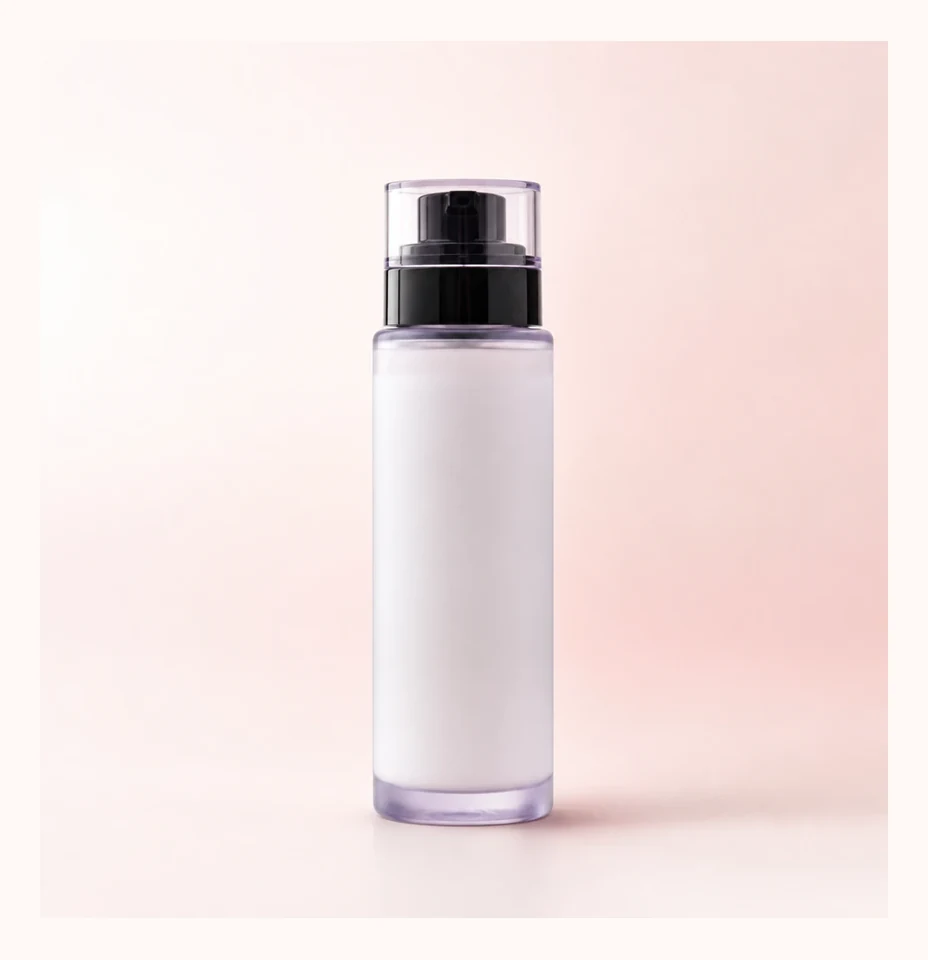
COSRX
The 6 Peptide Skin Booster Serum
Peptides
≈ $25150 ml
Six peptides in a large-format booster — an easy first step into peptide care.
Why it matters