Propolis
Propolis is the resinous material bees make from plant sap and use to seal and protect the hive. In skincare it is used as an extract, and its character comes from a dense mix of flavonoids and phenolic acids. Composition varies enormously with the region and the plants the bees visited, so Brazilian green propolis and Korean propolis are chemically different materials sharing a name.Laboratory research on propolis is extensive: antioxidant activity, antibacterial and antifungal effects, and anti-inflammatory behavior are all well documented in vitro, and there is supportive work on wound healing. Human trials in cosmetic settings are much thinner, so the honest summary is a plausible soothing and antioxidant ingredient rather than a proven treatment for any specific concern.Korean brands lean on propolis for glow, and there is something to that in practice, though much of the immediate effect comes from the sticky, humectant-rich textures propolis extracts are formulated into. Claims about clearing blemishes or shrinking pores go beyond what the cosmetic evidence supports.It suits dehydrated, dull-looking skin and people who like a slightly tacky, honey-ish finish that sits well under moisturizer. Skip it if you are allergic to bee products, honey or pollen, and be cautious if you have a history of contact reactions to natural resins; a patch test on the inner arm is worth the two days it costs. Very oily skin sometimes finds the texture too much in humid weather.Propolis pairs comfortably with niacinamide, panthenol and hyaluronic acid. Because it is an antioxidant-rich extract, it makes a reasonable morning layer under sunscreen. Avoid stacking it in the same step as strong acids if you are prone to stinging, and give any new bee-derived product a slow introduction.Ours comes with niacinamide in the Beauty of Joseon Glow Serum: Propolis + Niacinamide.
-
 Korea
Beauty of Joseon
Korea
Beauty of Joseon
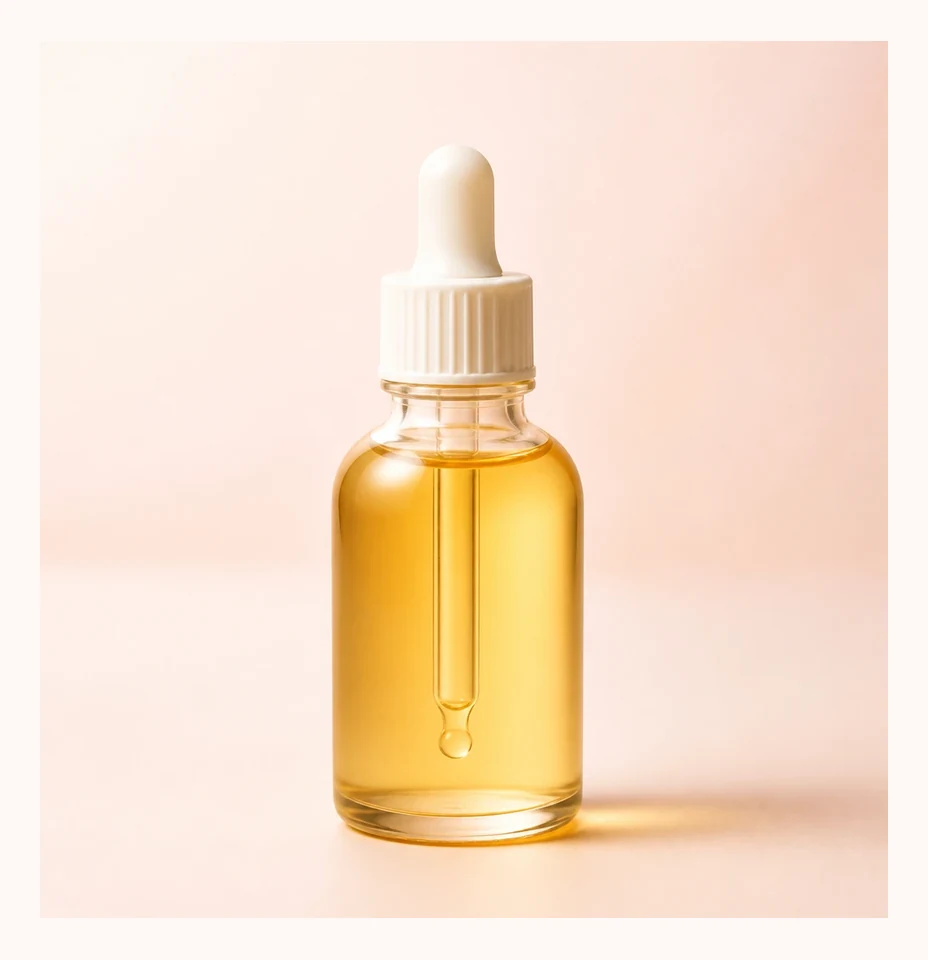
Glow Serum: Propolis + Niacinamide
Propolis · Niacinamide 2%
≈ $2460 ml
Sticky-sweet propolis texture that suits dehydrated skin better than most brightening serums.
Why it matters