Vitamin E
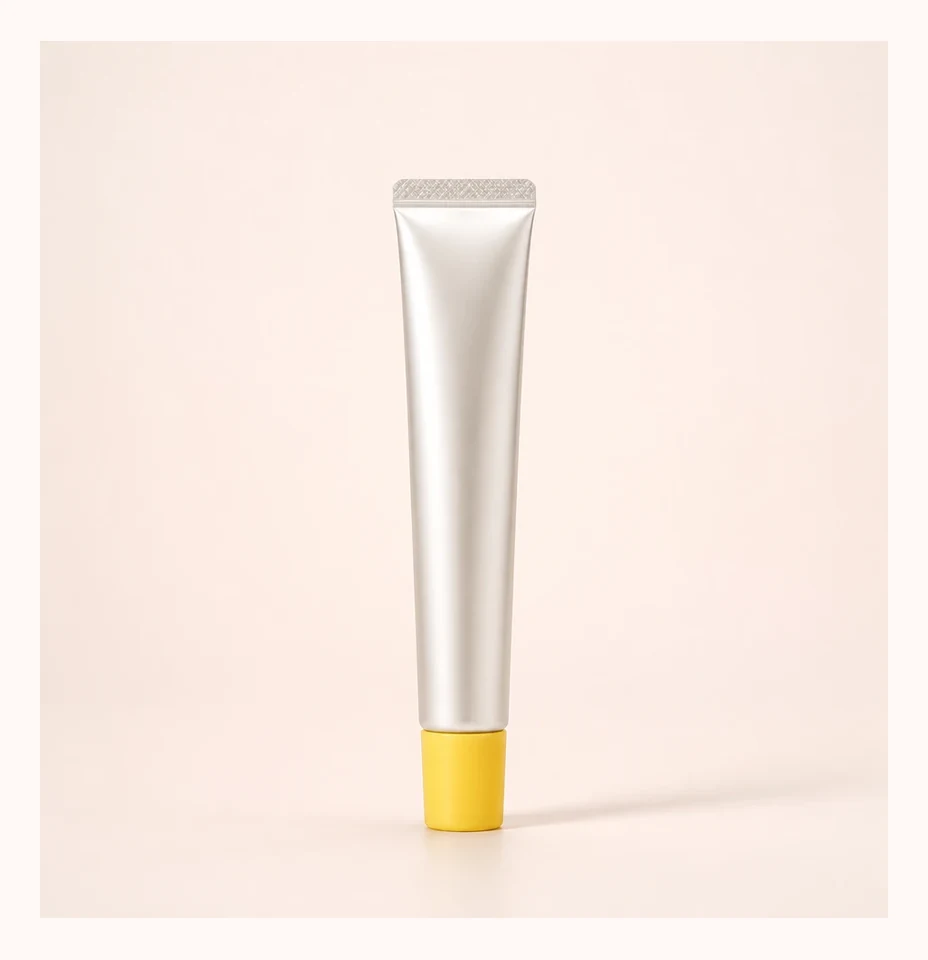
Vitamin E appears on ingredient lists as tocopherol or tocopheryl acetate. It is oil soluble, it lives naturally in your skin surface lipids, and it does two jobs in a product: it works as an antioxidant on skin, and it keeps the oils in the formula itself from going rancid. That second job is the reason it is in so many products at low levels.Research supports vitamin E as a protector of cell membranes against oxidative stress, and as an emollient that softens and conditions. The most interesting finding for skincare is its partnership with vitamin C: the two regenerate each other, and combinations of vitamin C, vitamin E and ferulic acid are better studied and more photoprotective than any of them alone. Tocopheryl acetate is a more stable ester but has to be converted by skin, so plain tocopherol is generally the more active choice.Brands often credit vitamin E with scar fading and deep repair. Evidence for scar improvement is weak, and older studies found it caused contact dermatitis in a share of participants. Read the antioxidant and conditioning claims as reasonable and the repair claims as marketing.It suits dry, rough or wind-exposed skin, and it is a sensible companion in any morning antioxidant step. People with very oily or congestion-prone skin sometimes find high-tocopherol oils heavy, and a small number of people are genuinely sensitive to it, so patch test if you have reacted to oil-rich products before.Its natural partner is vitamin C, which is exactly how Japanese brands tend to use it. It also sits well with ceramides, panthenol and squalane. Nothing in a normal routine conflicts with it.Ours accompanies ascorbic acid in the Rohto Melano CC Concentration Measures Essence.
-
 Japan
Rohto Melano CC
Japan
Rohto Melano CC
Concentration Measures Essence
Pure vitamin C · Vitamin E
≈ $1720 ml
Japan's drugstore vitamin C benchmark — potent, cheap, famously sharp-smelling.
Why it matters