Barrier Repair
Barrier repair refers to restoring the outermost layer of skin, where flattened cells sit in a matrix of ceramides, cholesterol and fatty acids. That layer keeps water in and irritants out. When it is compromised, water escapes faster, ordinary products begin to sting, and skin looks red, flaky and shiny-tight all at once. The usual causes are over-exfoliation, too many actives at once, harsh cleansers, cold dry air and, for some people, an underlying condition such as eczema.Products help by supplying the materials skin uses to rebuild and by removing the pressure while it does. Ceramide creams, ideally combined with cholesterol and fatty acids, replace missing lipids. Panthenol, centella, madecassoside, beta-glucan and ferments reduce visible irritation and add comfort. Humectants keep the surface hydrated so it can function. Niacinamide is useful here too, since it encourages skin to produce more of its own barrier lipids.The other half of barrier recovery is subtraction. Pausing exfoliating acids, retinoids and strong vitamin C for a couple of weeks, switching to a gentle cleanser, and keeping the routine to four or five steps usually does more than adding another product. Most people see stinging and redness settle within one to three weeks; if skin is cracked, weeping or persistently inflamed, that is a conversation for a dermatologist rather than a shopping list.Expect comfort first and appearance second. A barrier-repair routine is not a treatment for pigment or lines, and reintroducing actives too quickly is the usual way people end up back where they started.Our picks: the Aestura AtoBarrier 365 Cream for lipid replacement and the haruharu wonder Black Rice Probiotics Barrier Essence for a calm hydrating layer.
-
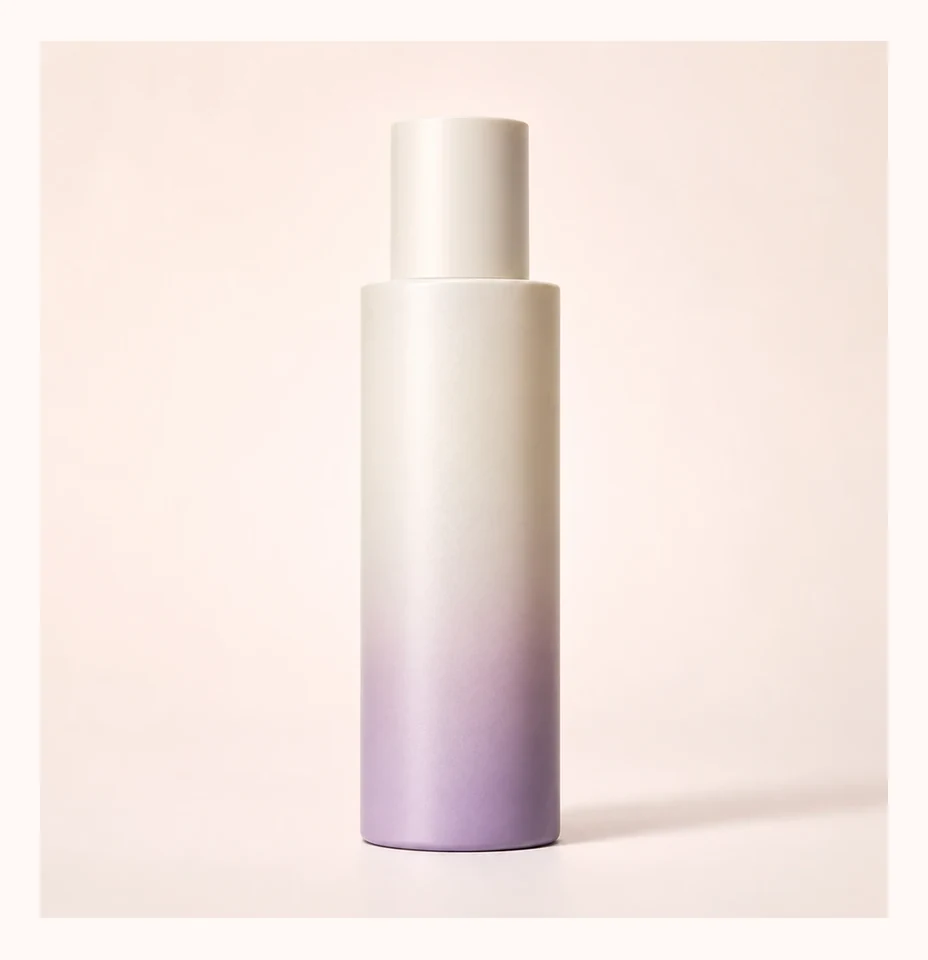 Korea
haruharu wonder
Korea
haruharu wonder
Black Rice Probiotics Barrier Essence
Black rice extract · Probiotics
≈ $28120 ml
Fermented rice essence with a milky finish — a good first layer for dry skin.
Why it matters -
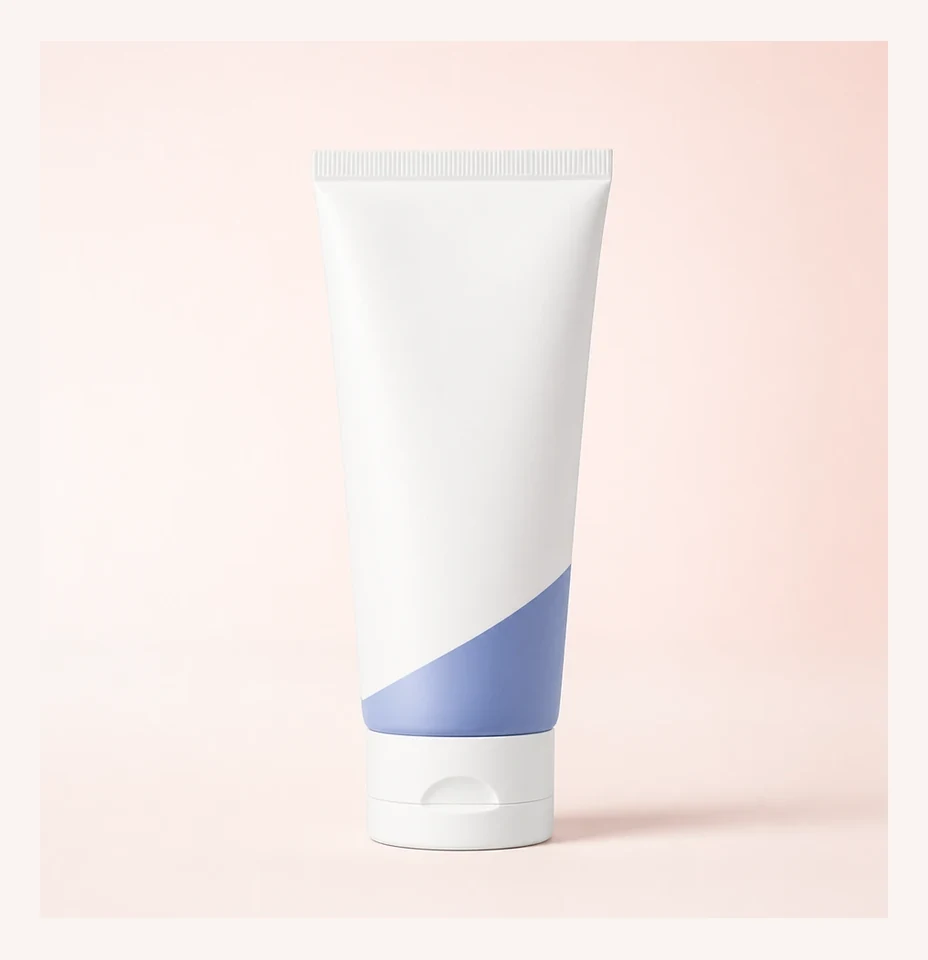 Korea
Aestura
Korea
Aestura
AtoBarrier 365 Cream
Ceramides
≈ $3280 ml
Dermatology-counter staple in Korea: ceramides without fragrance or fuss.
Why it matters -
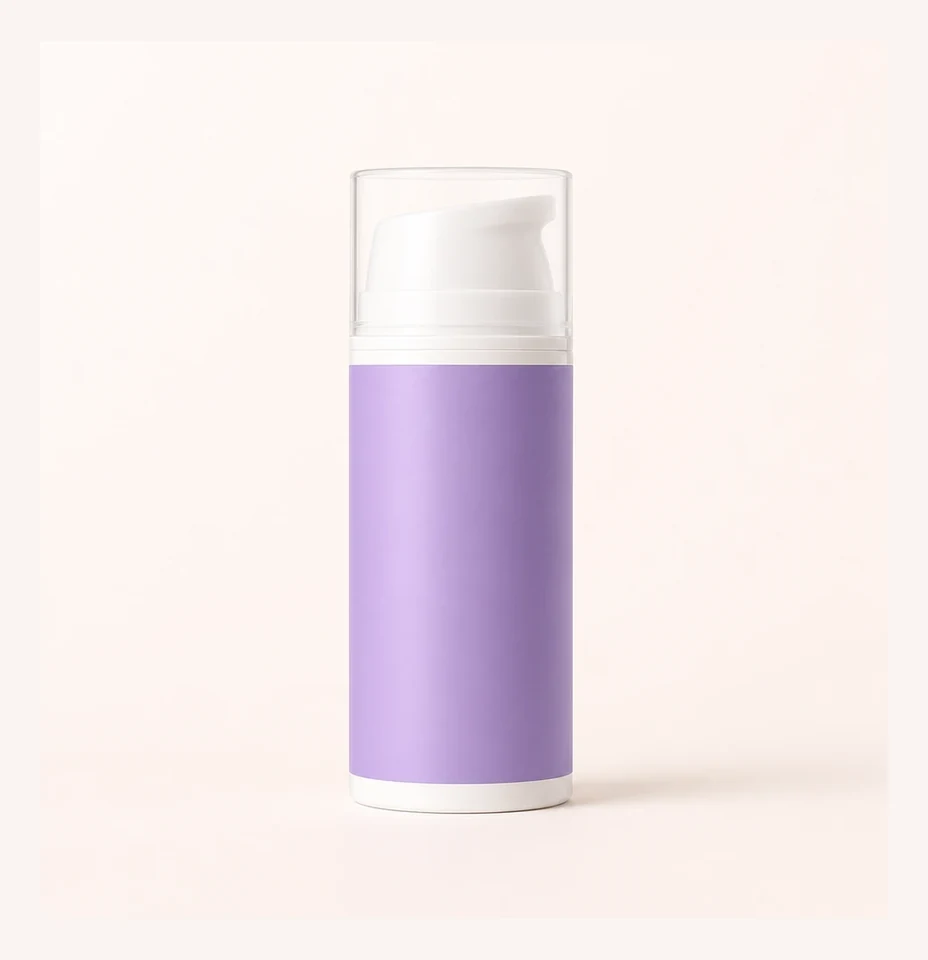 Korea
Purito SEOUL
Korea
Purito SEOUL
Luminous Ceramide Moisturizer
Ceramides · Panthenol
≈ $23100 ml
Large-format barrier cream at a price that allows generous use.
Why it matters -
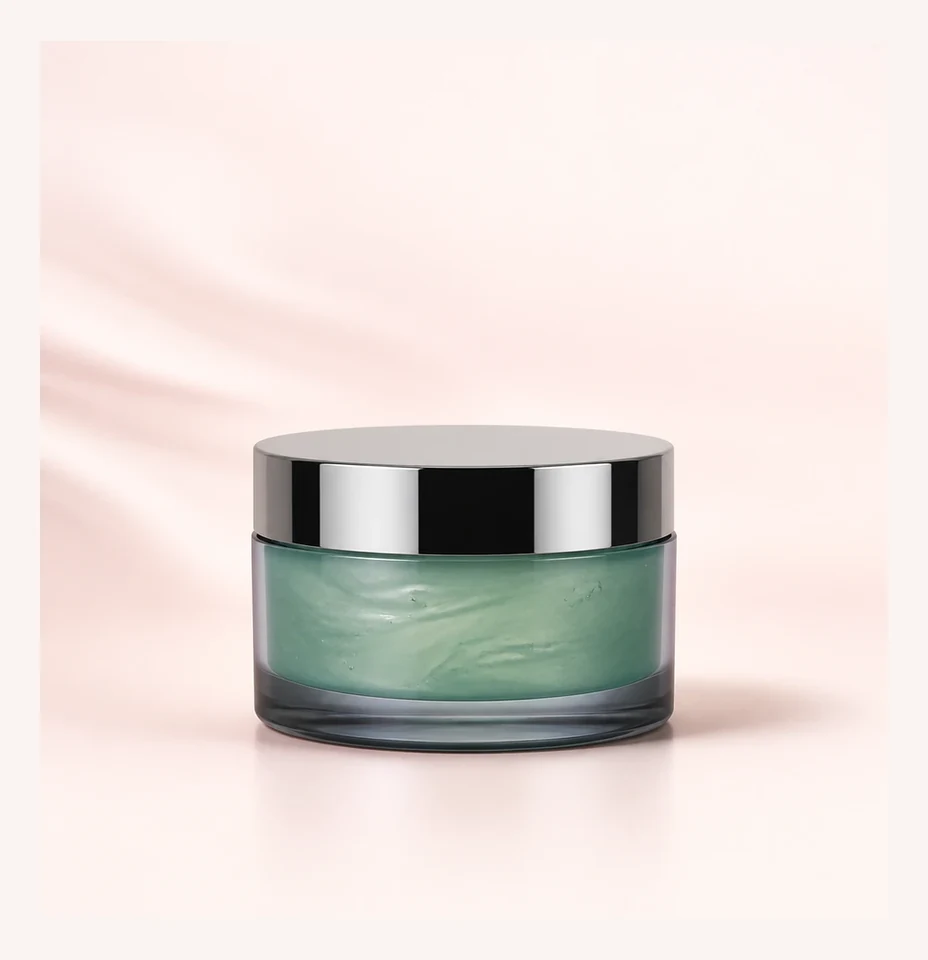 NEW
Korea
VT
NEW
Korea
VT
PDRN Capsule Cream 100
PDRN
≈ $3350 ml
PDRN in an encapsulated cream — a gentler format than serums for dry, tight skin.
Why it matters -
 Korea
Beauty of Joseon
Korea
Beauty of Joseon
Dynasty Cream
Rice bran water · Niacinamide
≈ $2450 ml
A rich but non-greasy finish — the brand's answer to winter dryness.
Why it matters -
 Korea
COSRX
Korea
COSRX
Advanced Snail 96 Mucin Power Essence
Snail secretion filtrate
≈ $25100 ml
The essence that made snail mucin mainstream: lightweight hydration and comfort for stressed skin.
Why it matters