Fine Lines
Fine lines come in two varieties that respond very differently, and telling them apart saves both money and disappointment. Dehydration lines are shallow, appear across the cheeks and under the eyes, look worse late in the day or in dry air, and soften within hours of applying a good humectant. Established lines follow repeated expressions or long-term collagen loss, stay visible when skin is well hydrated, and change slowly if at all.For the first kind, hydration is the whole answer: hyaluronic acid, glycerin, beta-glucan and panthenol, sealed with a moisturizer. Improvement is visible almost immediately and lasts as long as you keep it up. For the second kind, the ingredients with meaningful research are retinoids first, then vitamin C, peptides and madecassoside, all working over months rather than weeks by supporting collagen production. Sunscreen prevents the ultraviolet damage that creates new lines faster than any product removes old ones.Brand language around fine lines is often more dramatic than the mechanism, with words like erasing and reversing. What is fair to expect from a consistent routine is that lines look softer and skin looks smoother, especially the shallower ones, and that new ones arrive more slowly.A practical approach: hydrate properly for two weeks first, then judge what is actually left. Add one collagen-supporting active at a time, use it consistently for at least twelve weeks, and take photographs in the same light rather than relying on memory. Layering three actives at once usually produces irritation, and irritated skin looks older, not younger.Two gentle options: the Centellian24 Madeca Cream Time Reverse and the COSRX The 6 Peptide Skin Booster Serum.
-
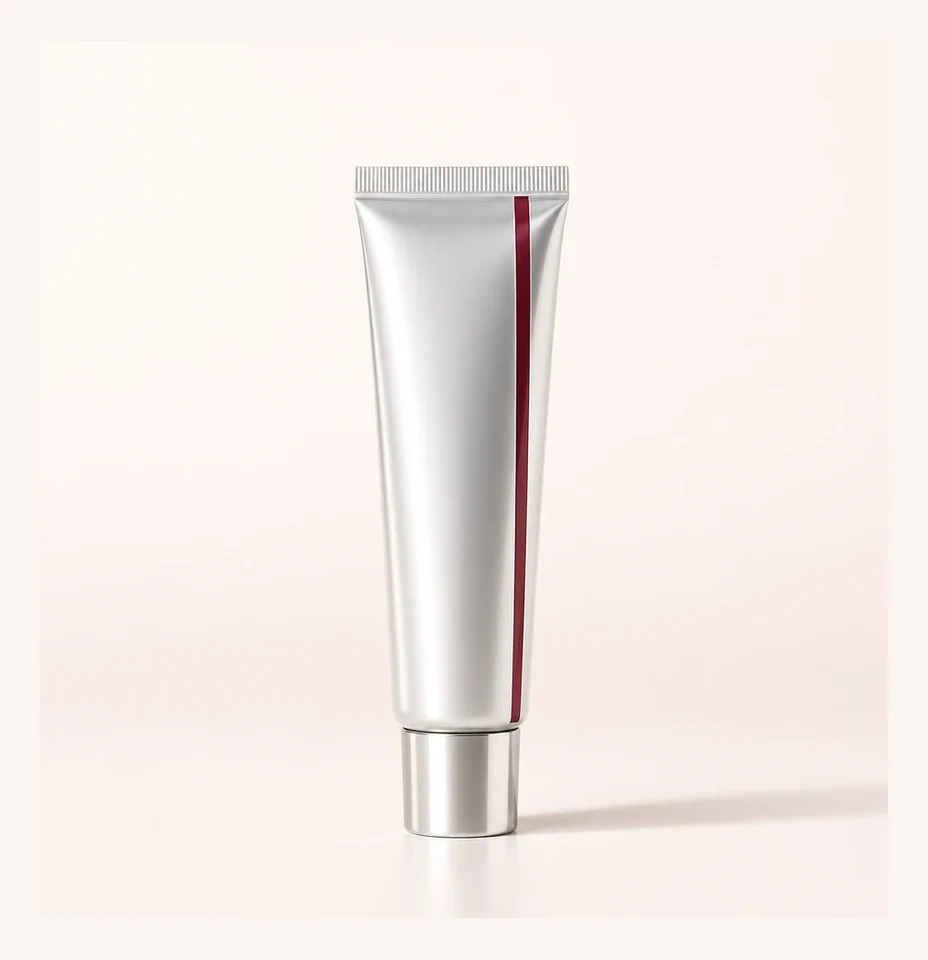 Korea
Centellian24
Korea
Centellian24
Madeca Cream Time Reverse (Season 7)
Madecassoside · Peptides
≈ $3250 ml
Pharmacy-brand centella cream reformulated yearly; this is the anti-aging version.
Why it matters -
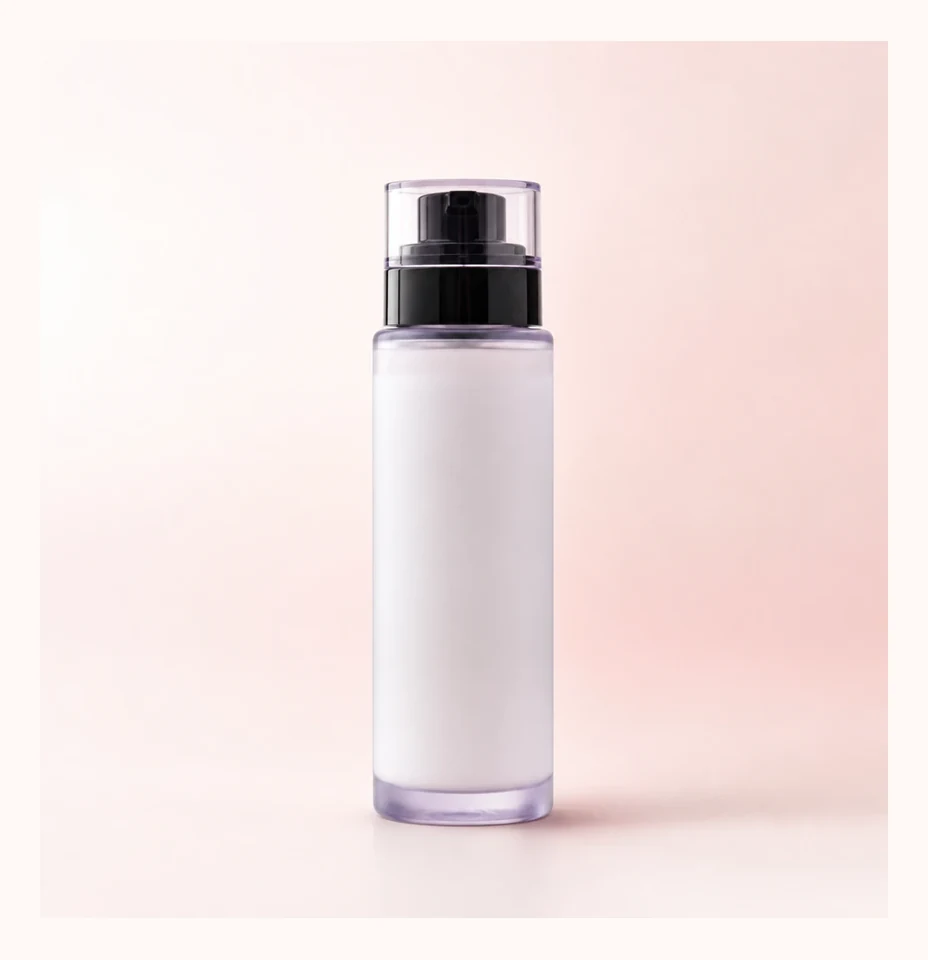 Korea
COSRX
Korea
COSRX
The 6 Peptide Skin Booster Serum
Peptides
≈ $25150 ml
Six peptides in a large-format booster — an easy first step into peptide care.
Why it matters