Pigmentation
Pigmentation covers several distinct problems that look similar in the mirror. Post-inflammatory hyperpigmentation is the brown or gray mark left after a blemish or injury, and it fades on its own, slowly. Sun spots are flat brown patches built up over years of ultraviolet exposure. Melasma is a symmetrical, often hormone-linked pattern across the cheeks, forehead or upper lip that comes and goes and is genuinely difficult to manage. Red marks left after acne are not pigment at all but dilated blood vessels, and they resolve differently.Products work at different points in the pigment process. Niacinamide interrupts the transfer of pigment to surface skin cells. Vitamin C and its derivatives, azelaic acid and glutathione act on tyrosinase, the enzyme that starts pigment production. Tranexamic acid interferes with the signaling that triggers the process, and it has the most interesting data for melasma patterns. Gentle exfoliation helps surface marks clear faster.None of this works without sunscreen, and that is not a formality. Ultraviolet exposure restarts pigment production continuously, so an unprotected routine can spend months undoing its own progress. Expect eight to twelve weeks before judging any product, and expect post-acne marks to respond faster than sun spots, and sun spots faster than melasma.Melasma in particular is a medical condition with hormonal and vascular components, and a dermatologist has options that a cosmetic serum does not. If pigment appears suddenly, changes shape or is confined to a single new lesion, have it looked at rather than treated.Two options to consider: the Anua Niacinamide 10% + TXA 4% Dark Spot Serum and the Rohto Melano CC Concentration Measures Essence.
-
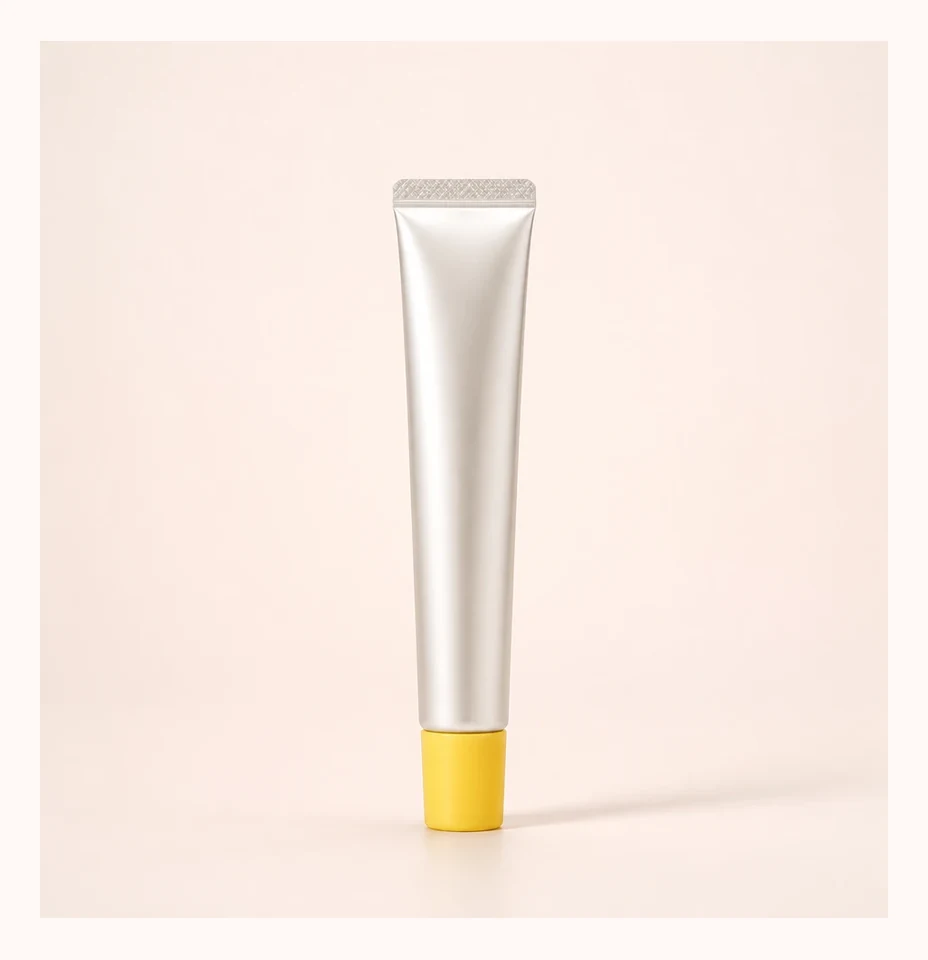 Japan
Rohto Melano CC
Japan
Rohto Melano CC
Concentration Measures Essence
Pure vitamin C · Vitamin E
≈ $1720 ml
Japan's drugstore vitamin C benchmark — potent, cheap, famously sharp-smelling.
Why it matters -
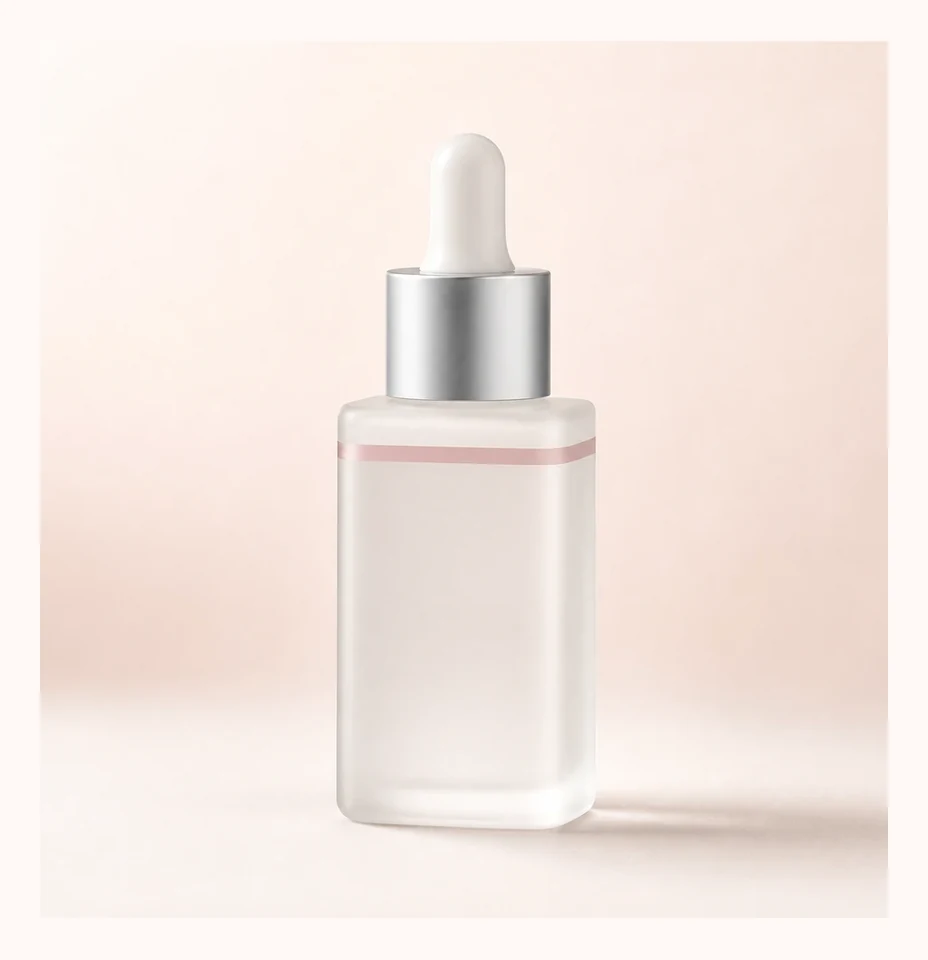 NEW
Japan
Hada Labo
NEW
Japan
Hada Labo
H.A. Supreme Vita Brightening Concentrate Serum
Hyaluronic acid · Vitamin C derivative
≈ $3930 ml
Hada Labo's layered hyaluronic acids with a brightening addition.
Why it matters -
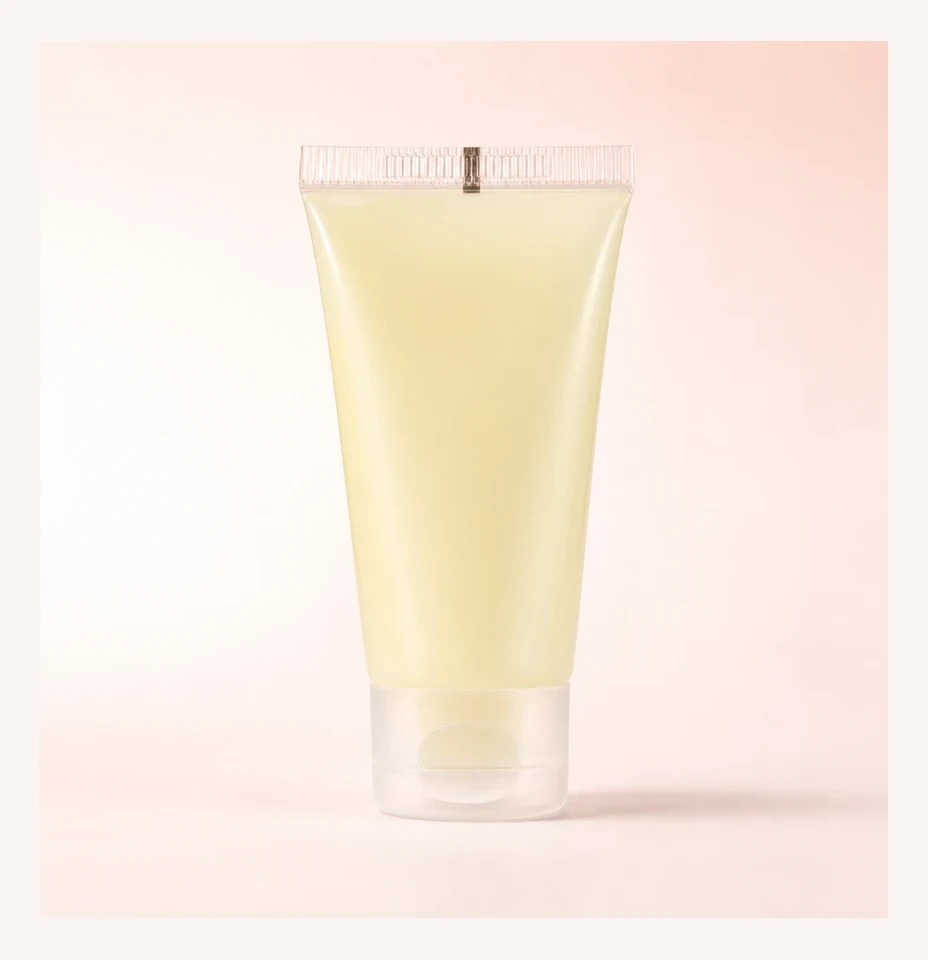 NEW
Korea
numbuzin
NEW
Korea
numbuzin
No.5 Glutathione Vitamin Dark Spot Cream
Glutathione · Vitamin C derivatives
≈ $1015 ml
Targeted spot cream in a travel size — a cheap way to test glutathione.
Why it matters -
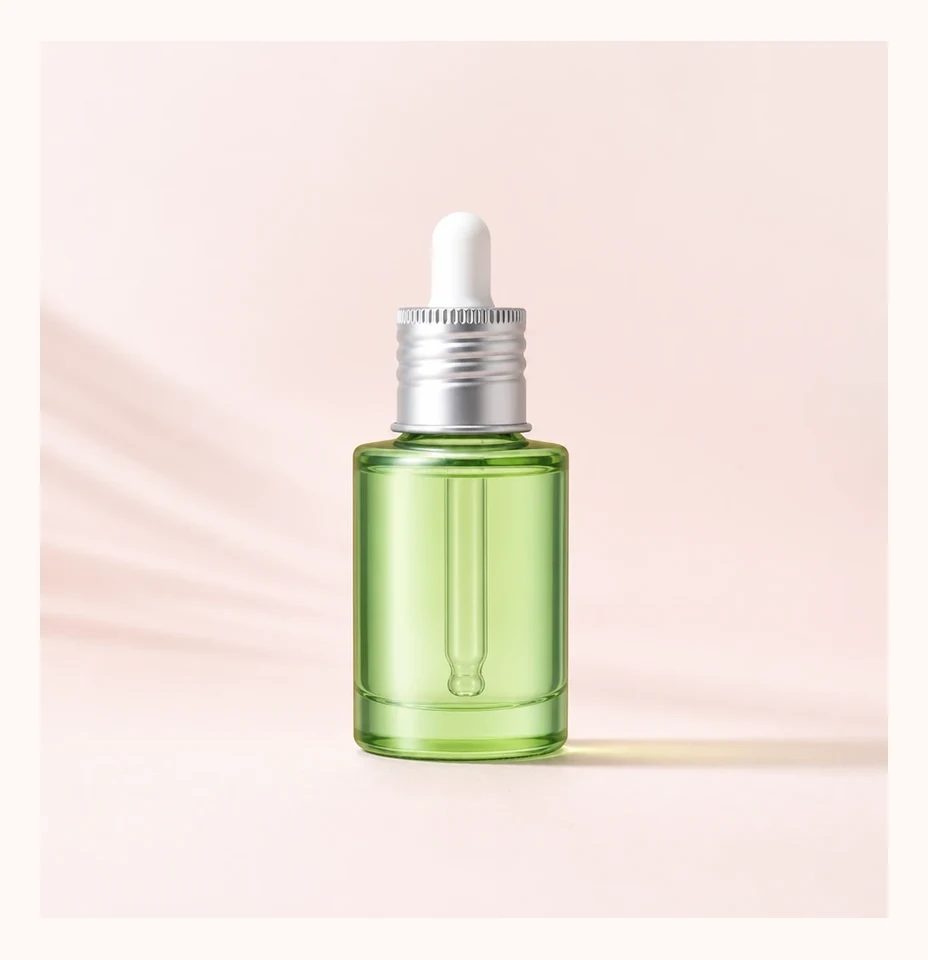 NEW
Korea
Anua
NEW
Korea
Anua
Azelaic Acid 10 Hyaluron Redness Soothing Serum
Azelaic acid 10% · Hyaluronic acid
≈ $2230 ml
Azelaic acid at a usable strength, buffered with hyaluronic acid for reactive skin.
Why it matters -
 NEW
Korea
Anua
NEW
Korea
Anua
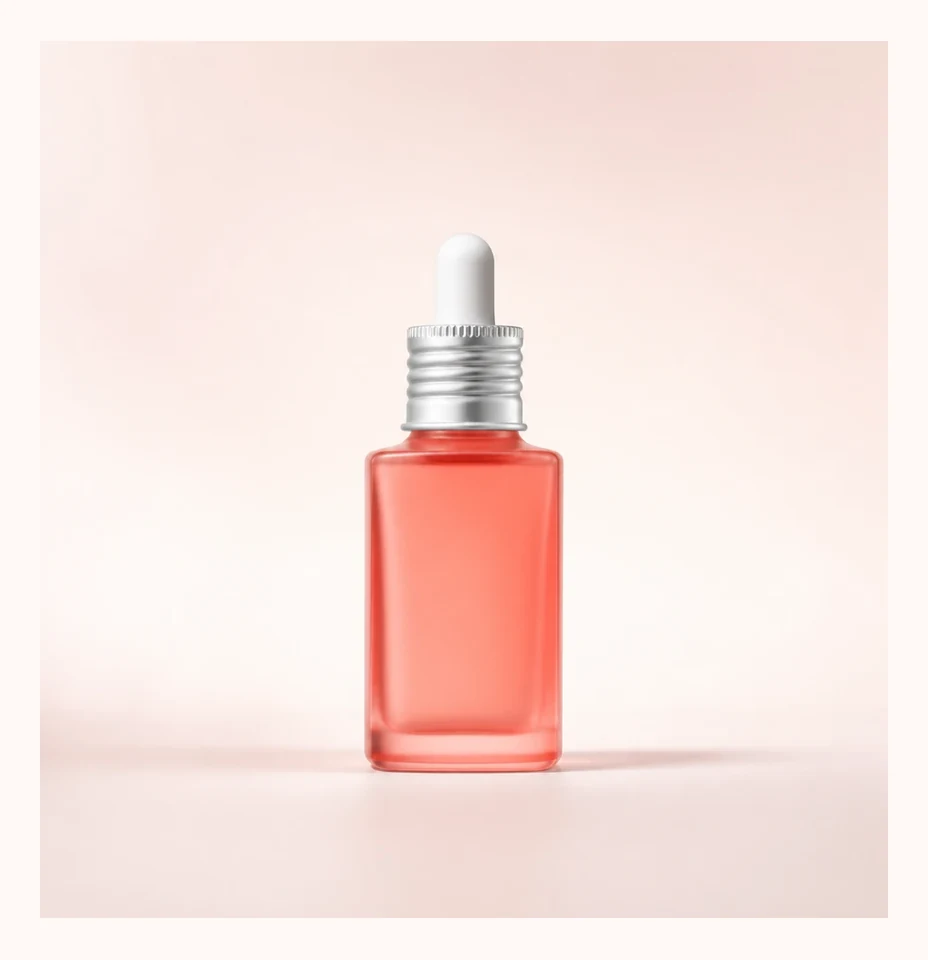
Niacinamide 10% + TXA 4% Dark Spot Serum
Niacinamide 10% · Tranexamic acid 4%
≈ $2230 ml
A high-percentage pairing aimed squarely at post-acne marks and uneven tone.
Why it matters