Encapsulation
Encapsulation means wrapping an active ingredient inside a tiny shell before it goes into a formula. The shell can be a lipid vesicle, a polymer, a cyclodextrin cage or a silica sphere, and it can be so small it is invisible or large enough to see as the colored beads suspended in a gel. The point is to keep the active separated from everything around it until it reaches skin.The reasons formulators do this are practical, and the research supports them. Encapsulation protects unstable molecules such as vitamin C, retinol and PDRN from air and light, which extends how long a product actually works. It allows slower release, which can reduce irritation from actives that sting when they all arrive at once. And by using lipid-based carriers that resemble skin’s own lipids, it can improve how evenly an active is distributed on the surface. Studies on liposomal and nanocarrier delivery report better stability and improved uptake for a number of ingredients.Brands often go further and imply that encapsulation drives actives deep into skin, or that a capsule format multiplies potency. Delivery gains are real but incremental and specific to each system; visible capsules in a jar are as much a texture and marketing decision as a technical one.Encapsulated formats suit people who react to strong actives, anyone who has watched a vitamin C serum oxidize, and anyone using an ingredient known to be fragile. They are less relevant when the active is inherently stable, like niacinamide or hyaluronic acid, where encapsulation adds cost without much benefit.Encapsulated products layer like any other, though they often feel richer. Introduce them as you would the underlying active, one at a time.See it in the VT PDRN Capsule Cream 100 and the medicube PDRN Pink Peptide Serum.
-
 Japan
Bioré
Japan
Bioré
UV Aqua Rich Watery Essence SPF50+ PA++++
Hyaluronic acid
≈ $1570 g
The watery sunscreen texture everyone else has been chasing since 2015.
Why it matters -
 NEW
Korea
VT
NEW
Korea
VT
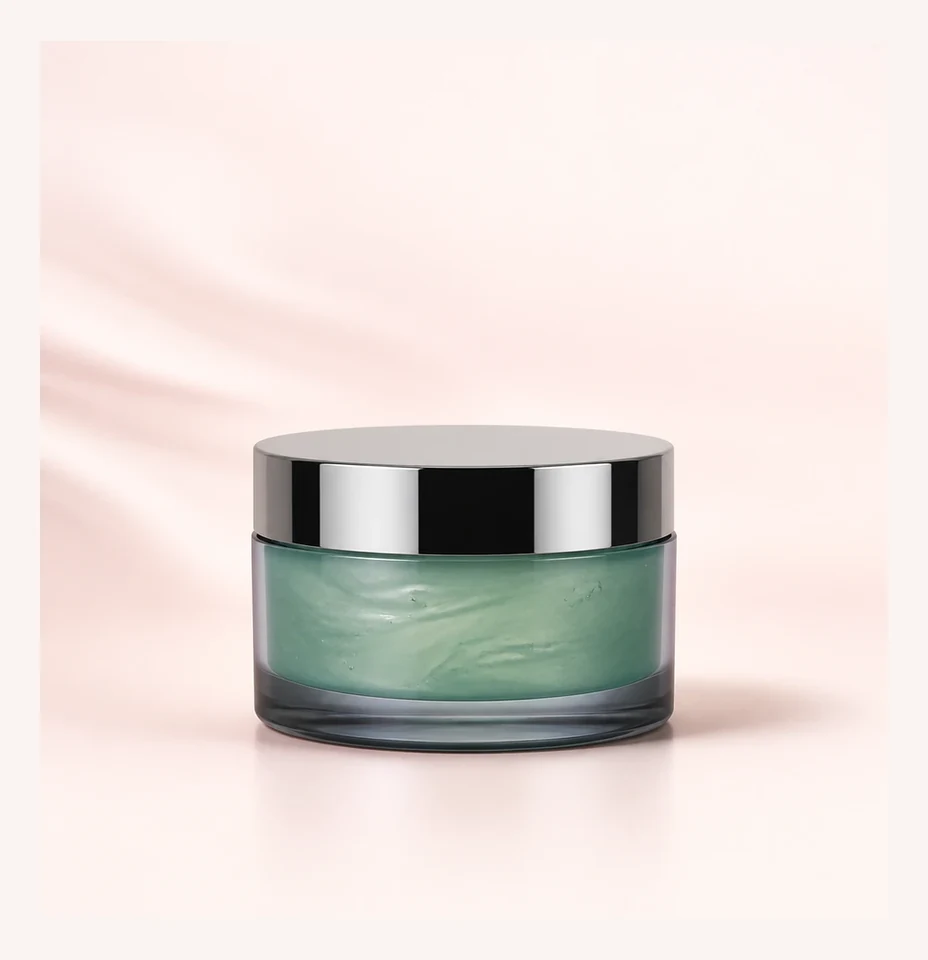
PDRN Capsule Cream 100
PDRN
≈ $3350 ml
PDRN in an encapsulated cream — a gentler format than serums for dry, tight skin.
Why it matters -
 NEW
Korea
medicube
NEW
Korea
medicube
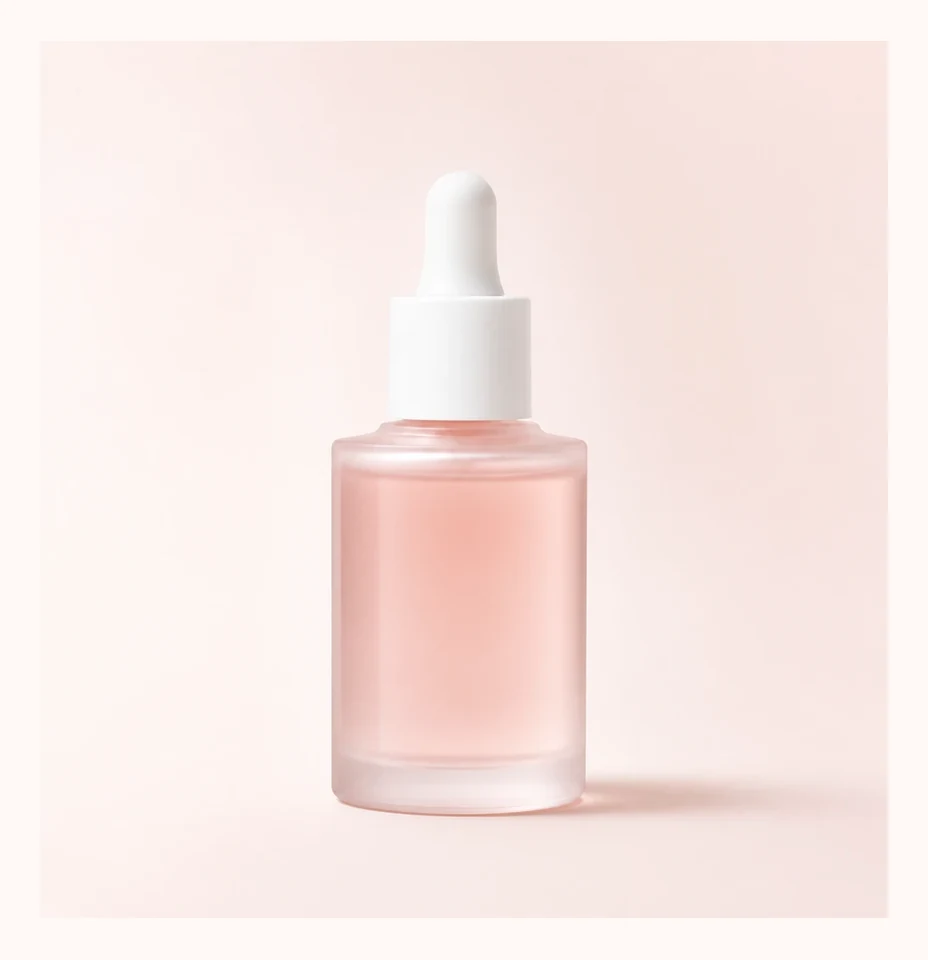
PDRN Pink Peptide Serum
PDRN · Peptides
The serum that pushed PDRN from clinics into everyday routines.
Why it matters