Fermentation
Fermentation in skincare means letting microorganisms, usually yeasts or lactic acid bacteria, work on a plant material or nutrient broth before the result goes into a formula. On the label you will see the outcome as a ferment, a ferment filtrate or a lysate: Galactomyces ferment filtrate, Lactobacillus ferment, rice ferment filtrate and so on.What fermentation changes is measurable. Microbes break large molecules into smaller ones, which can improve how well a material dissolves and how much of it skin can take up. They generate new compounds along the way, including organic acids, amino acids, peptides and vitamins. And research consistently finds fermented plant extracts show higher antioxidant activity than the unfermented starting material. Work on Galactomyces ferment filtrate specifically describes effects on skin hydration proteins and antioxidant defense in cell studies.Brands often present fermentation as making an ingredient dramatically more potent or better absorbed, sometimes with a story about sake brewers and their soft hands. The chemistry behind the claims is real, but the evidence lives mostly in laboratory studies, and a ferment far down an ingredient list is unlikely to transform a formula.Fermented products suit dry, dull and sensitized skin, and people who prefer soothing, hydration-first routines. Ferments carry a distinctive smell that some people dislike, and a small number of people react to yeast-derived ingredients, so patch test if you have had trouble with them before.They layer without conflict alongside niacinamide, ceramides, peptides and sunscreen, and they make a comfortable step on the nights you are not using a retinoid or acid.Two to try: the haruharu wonder Black Rice Probiotics Barrier Essence and the iUNIK Beta Glucan Power Moisture Serum.
-
 Korea
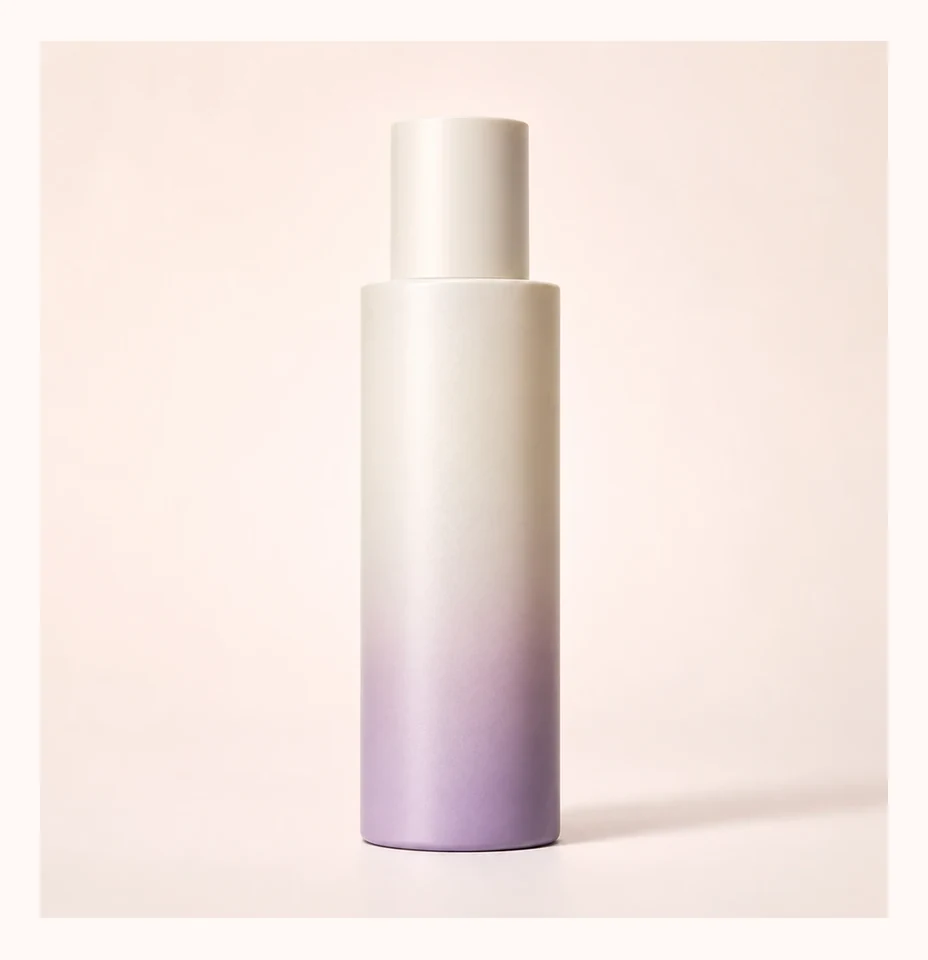
haruharu wonder
Korea
haruharu wonder
Black Rice Probiotics Barrier Essence
Black rice extract · Probiotics
≈ $28120 ml
Fermented rice essence with a milky finish — a good first layer for dry skin.
Why it matters -
 Korea
iUNIK
Korea
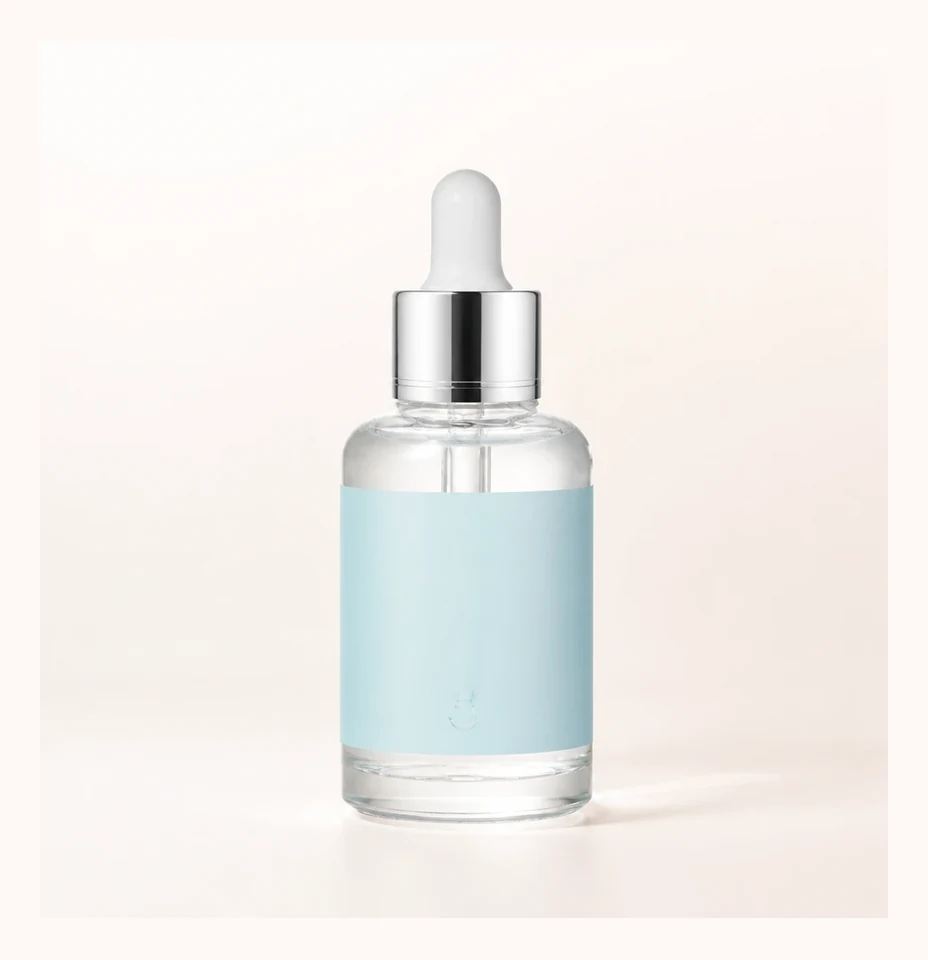
iUNIK
Beta Glucan Power Moisture Serum
Beta-glucan
≈ $2150 ml
Beta-glucan instead of hyaluronic acid — heavier hydration for compromised skin.
Why it matters