Bioré UV Aqua Rich vs Round Lab Birch Juice Sun Cream
The Japanese sunscreen everyone copies, against the Korean one that outsells most of its rivals. Both SPF50+ PA++++, very different in the hand.
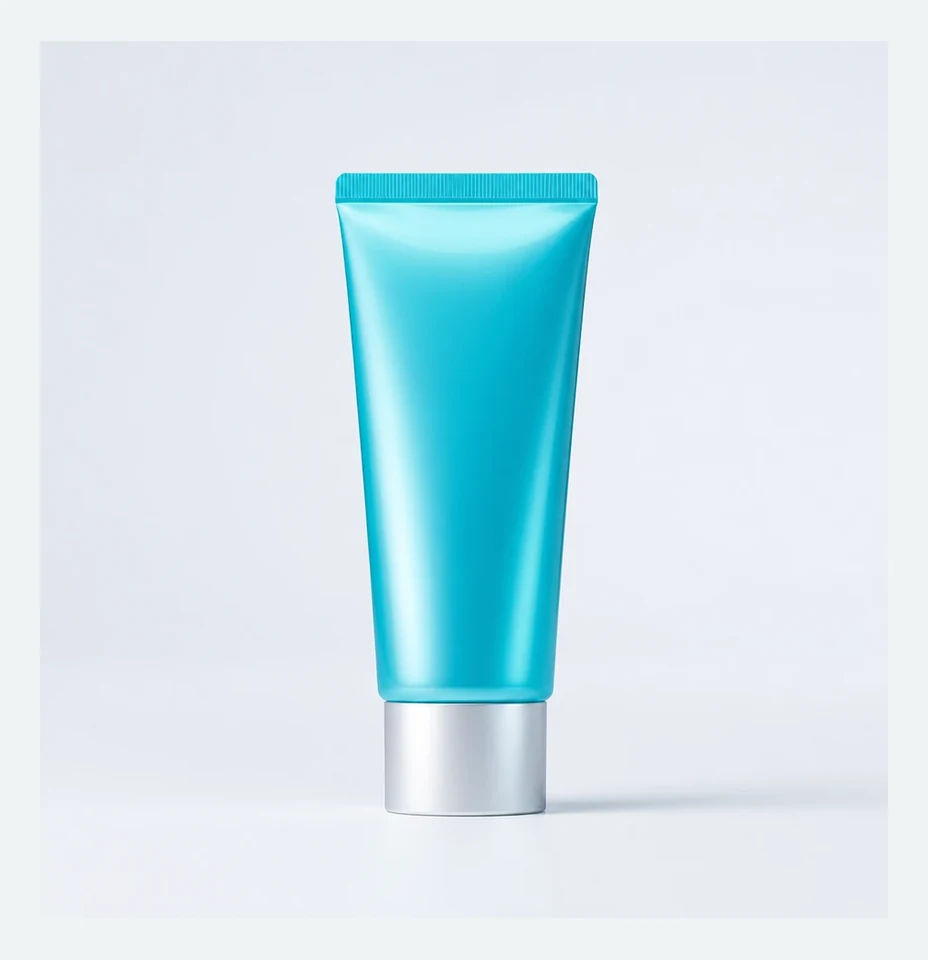
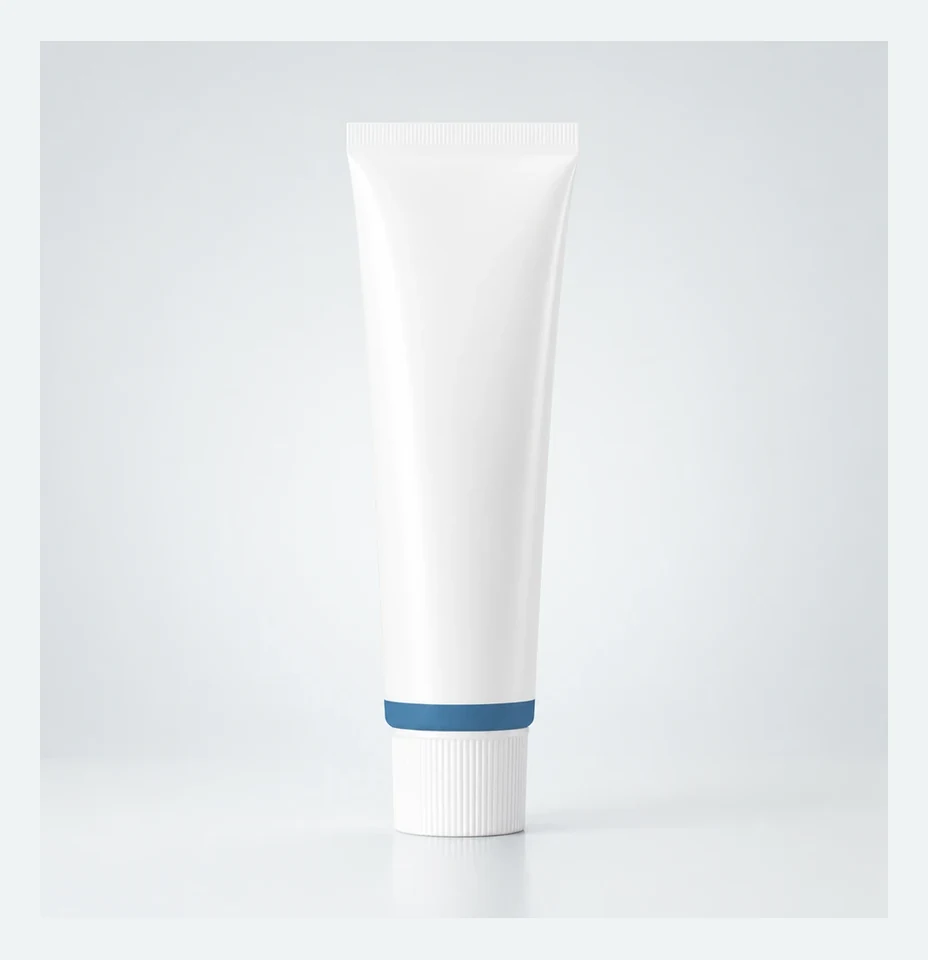
| Bioré | Round Lab | |
|---|---|---|
| Origin | Japan | Korea |
| Protection | SPF50+ PA++++ | SPF50+ PA++++ |
| Supporting actives | Hyaluronic acid | Birch sap, panthenol |
| Texture | Watery gel-essence, near-instant absorption | Light cream, more cushion |
| Finish | Semi-matte, disappears fast | Natural to slightly dewy |
| Size & price | 70 g, about $15 | 50 ml, about $28 |
| Best for | Oily and combination skin, hot weather, reapplying | Normal to dry skin, cooler months, tight-feeling skin |
| Who should skip it | Dry skin that wants comfort from its SPF | Anyone chasing the lightest possible feel |
The verdict
For oily or combination skin, hot weather and generous reapplication, Bioré is the obvious buy — it is lighter, larger and roughly half the price per gram. Round Lab is the better daily sunscreen if your skin runs dry or tight, since it gives back some comfort the Japanese formula deliberately leaves out. Both protect at the same labelled class, so this is a texture and budget decision.
Buy — from $15 Opens the retailer’s page in a new tab. Prices change with promotions — the shop shows the current one.
Buy — from $28 Opens the retailer’s page in a new tab. Prices change with promotions — the shop shows the current one.
The short version
This is the clearest Japan-versus-Korea comparison in daily suncare. Bioré UV Aqua Rich Watery Essence is the texture benchmark other brands have been chasing since the mid-2010s: it is barely there, and it costs about $15 for 70 g. Round Lab’s Birch Juice Moisturizing Sun Cream is the Korean counter-proposal — a light cream that hydrates while it protects, at about $28 for 50 ml.
The filters are not the difference
Both are SPF50+ PA++++ with modern organic filter systems that are standard in Asia and largely unavailable in US-approved products. Neither leaves a meaningful white cast. Assuming you apply the same generous amount of each, you are not choosing between levels of protection — you are choosing what your face feels like for the next four hours.
Texture, and why it matters more than you think
Aqua Rich is watery to the point of running if you are not quick with it. It sinks in almost immediately and finishes close to matte, using encapsulation to hold its hyaluronic acid and filters in a stable, fluid base. That lightness is the whole argument for it: the easiest sunscreen to reapply is the one you will actually reapply at lunchtime.
Round Lab’s version is a proper cream. It has slip, it takes a few seconds longer to settle, and it leaves skin feeling padded rather than bare. Birch sap and panthenol are the comfort ingredients doing that job. In January, on skin that already feels tight after cleansing, this is the more pleasant product by a wide margin.
Under makeup
Bioré’s fast, semi-matte set is friendly to powder and to most liquid foundations, though some people find that anything applied too soon after it will grab. Round Lab needs a longer wait before base makeup, and on oily skin it can shift a little through the day. Neither is a primer, and treating a sunscreen as one usually ends with pilling.
Price and volume
This is where they part company. Roughly $15 for 70 g against roughly $28 for 50 ml works out to well under half the cost per gram for Bioré. If you are protecting your neck and the backs of your hands as well as your face — and you should be — that gap compounds across a year. Round Lab is not overpriced for its category, but you are paying a Korean-brand premium for a more comfortable base.
Which one fits your skin
- Choose Bioré if your skin is oily or combination, you live somewhere humid, you reapply properly, or you simply want the most protection per dollar.
- Choose Round Lab if your skin is normal to dry, it feels stripped by lightweight formulas, or you want your SPF to carry some of the moisturising load in winter.
- A reasonable compromise: Round Lab for the face on dry days, Bioré as the reapplication bottle and for body. They are cheap enough to run in parallel.
What neither one does
Sunscreen is prevention, not correction. Neither of these will fade existing dark spots, and neither replaces a treatment step — although consistent daily SPF is what makes any pigmentation product you layer with it worth using at all. Judge both on whether you reach for them every morning without negotiating with yourself. On that measure, the cheaper, lighter one usually wins.
Frequently asked
Is Bioru00e9 UV Aqua Rich good for dry skin?
Not especially. It is watery, semi-matte and deliberately leaves comfort out, which is exactly why oily skin likes it. Dry or tight skin usually prefers the Round Lab cream, which gives some of that comfort back.
Which is cheaper per use, Bioru00e9 or Round Lab?
Bioru00e9, by a wide margin u2014 roughly $15 for 70 g against about $28 for 50 ml, which is well under half the cost per gram. That gap compounds across a year if you are covering your neck and hands as well.
Can I use Bioru00e9 UV Aqua Rich as a makeup primer?
It sets fast and close to matte, which is friendly to powder and most liquid foundations, but no sunscreen is a primer. Applying makeup too soon after either of these is the usual cause of pilling.
Do Japanese and Korean sunscreens protect the same?
Both of these are labeled SPF50+ PA++++ with modern organic filter systems, so on the label they are the same class u2014 our Korean and Japanese sunscreen guide explains how the PA scale works. The real choice is what your face feels like for the next four hours.
Will sunscreen fade my existing dark spots?
No u2014 sunscreen is prevention, not correction. It is what makes any pigmentation product worth using, though, because unprotected daylight resupplies pigment faster than a serum fades it.