Aestura AtoBarrier 365 Cream vs Purito SEOUL Luminous Ceramide Moisturizer
Both are ceramide creams for a compromised barrier. One is the Korean dermatology-counter standard, the other is the one you can afford to use generously.
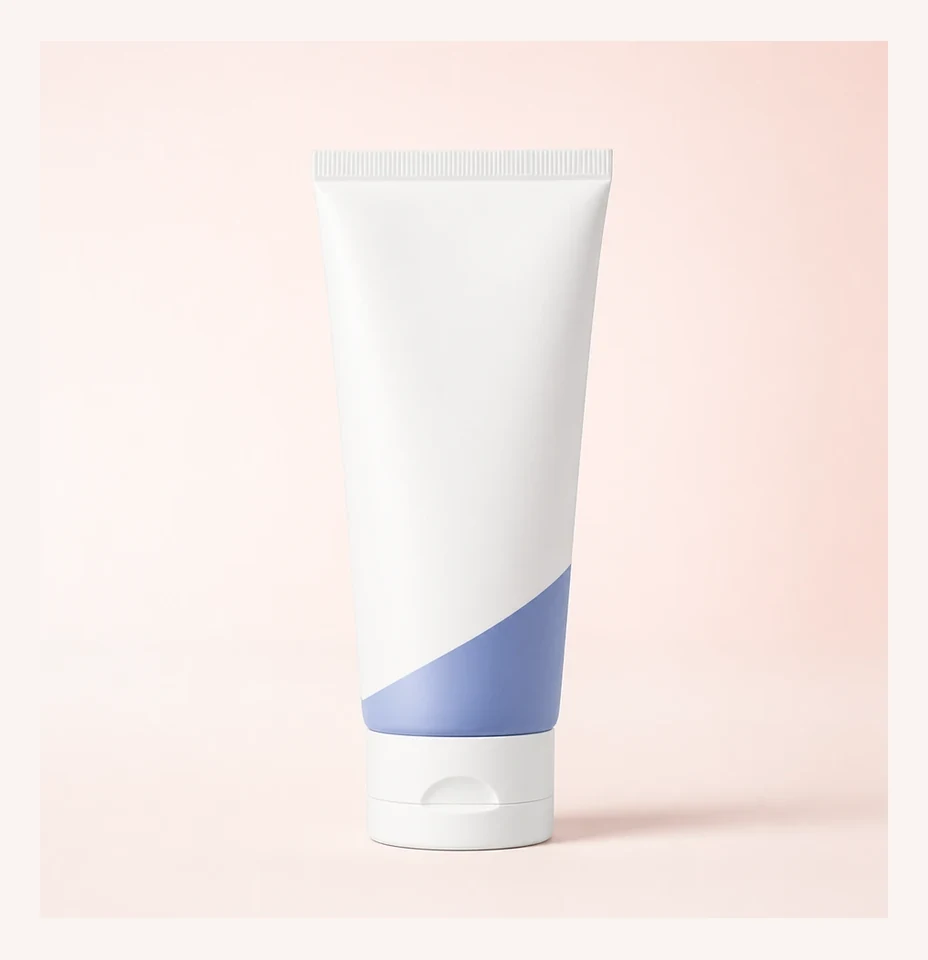
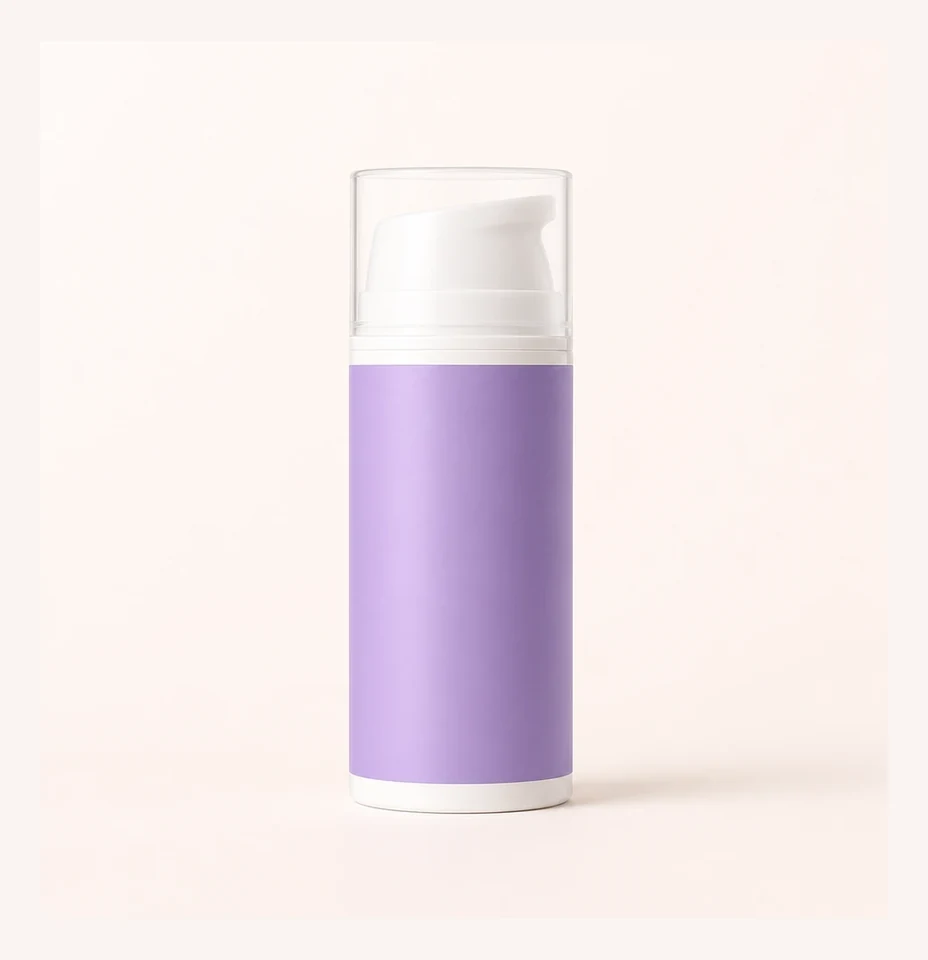
| Aestura | Purito SEOUL | |
|---|---|---|
| Key actives | Ceramides | Ceramides, panthenol |
| Texture | Dense but non-greasy, sinks in slowly | Lighter cream, faster to absorb |
| Stated goals | Barrier repair, sensitive skin | Barrier repair, hydration |
| Fragrance | Positioned as fragrance-free | Not marketed on fragrance u2014 check the current INCI if you react |
| Size & price | 80 ml, about $32 | 100 ml, about $23 |
| Cost per ml | About $0.40 | About $0.23 |
| Best for | Reactive, eczema-prone or actively irritated skin | Everyday dryness, body use, generous application |
| Who should skip it | Oily skin looking for a light daily moisturiser | Anyone who needs the plainest possible formula for a flare |
The verdict
Aestura is the one to buy when your barrier is genuinely in trouble — it is denser, plainer and built for reactive skin, and the liposomal framing is at least a coherent formulation choice. Purito is the better everyday cream for ordinary dryness, because 100 ml at about $23 lets you apply enough without rationing. Many people end up using Purito daily and keeping Aestura for flare weeks.
Buy — from $32 Opens the retailer’s page in a new tab. Prices change with promotions — the shop shows the current one.
Buy — from $23 Opens the retailer’s page in a new tab. Prices change with promotions — the shop shows the current one.
The short version
Barrier creams are the least glamorous and most useful category in a routine, and these are two of the most bought Korean options in the US. Aestura AtoBarrier 365 Cream is a dermatology-counter staple in Korea, sold on ceramides and restraint. Purito SEOUL’s Luminous Ceramide Moisturizer is the large-format, lower-priced alternative that you can use with a heavy hand.
Same headline ingredient, different arguments
Both lead on ceramides, the lipids that sit between skin cells and help hold water in. Ceramide creams are one of the few places where the ingredient story and the observable result line up reasonably well: if your skin is stripped, flaking or stinging at products it used to tolerate, a good ceramide moisturiser generally helps within days.
Aestura adds a liposomal delivery framing. Liposomes are a legitimate formulation tool for keeping lipids stable and dispersed; treat that as a reason the texture behaves well, not as a promise of deeper penetration. Purito pairs its ceramides with panthenol, a straightforward humectant and soothing agent that shows up in most well-built barrier products.
How they feel
Aestura is the denser of the two. It takes longer to disappear and leaves skin feeling cushioned rather than coated, which is exactly what you want on a bad week and slightly more than you want in July. Purito is lighter and faster, closer to a normal daily moisturiser, with a soft finish that works under makeup.
On fragrance: Aestura positions the AtoBarrier line explicitly for sensitive skin without fragrance, which is the safer default if you have reacted to scented creams before. Purito does not lead its marketing on that point, so if fragrance is a genuine trigger for you, read the current ingredient list on the shop page before ordering rather than trusting a brand’s general reputation.
Price is the real divider
About $32 for 80 ml against about $23 for 100 ml works out to roughly $0.40 per millilitre versus $0.23. That is close to double, and with barrier creams the amount you apply matters. A cream you use sparingly because it was expensive is a cream doing half its job. If you also want to use it on hands, forearms or anywhere else dry, the Purito is the only one of the two that makes financial sense.
Which one fits your skin
- Choose Aestura if your skin is reactive, eczema-prone, or currently unhappy after a retinoid or an acid — a period when the plainest, densest option is worth paying for.
- Choose Purito if you want a good ceramide cream for ordinary daily dryness and you would rather have 100 ml than a shorter ingredient list.
- Run both if your skin swings seasonally: the lighter one most of the year, the denser one for winter and recovery weeks.
What a barrier cream will not do
Neither of these treats pigmentation, lines or acne, and neither is a substitute for stopping whatever irritated your skin in the first place. If you are flaking because you used an acid four times in a week, the cream helps, but the fix is the schedule. Give a barrier product two weeks of consistent use before judging it — unlike most of skincare, this is a category where you should notice a difference quickly, and if you do not, the problem is probably somewhere else in your routine.
Frequently asked
Is Aestura AtoBarrier 365 Cream worth the higher price?
On a genuinely bad barrier week, yes u2014 it is denser, plainer and positioned fragrance-free for reactive skin. At about $0.40 per milliliter against Purito's $0.23, it is harder to justify as the everyday cream you want to apply with a heavy hand.
Is the Purito ceramide moisturizer fragrance-free?
Purito does not lead its marketing on that point. If fragrance is a real trigger for you, read the current ingredient list on the shop page before ordering rather than relying on a brand's general reputation.
Can I use a ceramide face cream on my body?
Yes, and it is the sensible use for the larger, cheaper jar u2014 hands, forearms and any dry patch benefit from the same lipids. That is another argument for 100 ml of Purito over 80 ml of Aestura.
How long before a barrier cream makes a difference?
Give it two weeks of consistent use, applied more generously than feels normal. Unlike most of skincare this is a category where you should notice something quickly, and if you do not, the problem is elsewhere in your routine u2014 our barrier repair guide covers what else to change.
Will a ceramide cream help eczema?
Ceramide-dominant moisturizers are a standard part of managing dry, eczema-prone skin, and Aestura sells at Korean dermatology counters on exactly that basis. Eczema is a medical condition, though, so a dermatologist should be the one directing treatment rather than a moisturizer alone.