Anua Niacinamide 10% + TXA 4% vs numbuzin No.5 Glutathione Cream
One is a full-face serum with two well-known tone ingredients; the other is a small, cheap spot cream. They solve different halves of the same problem.
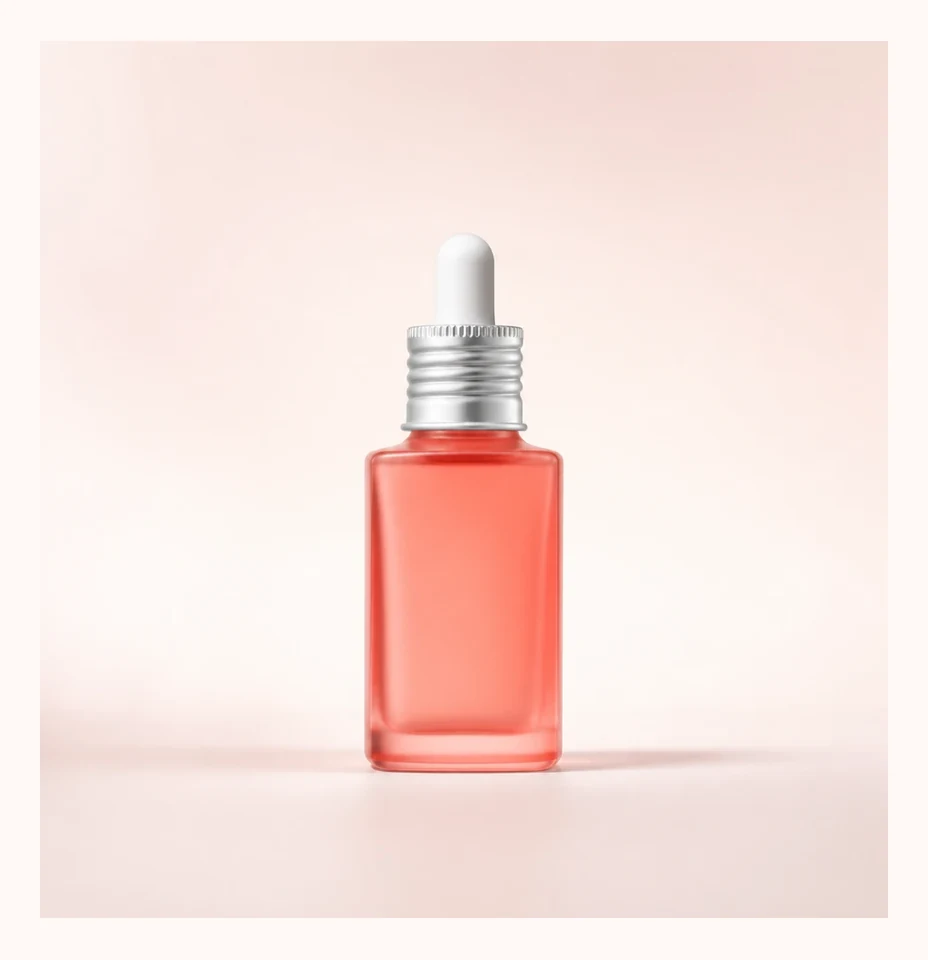
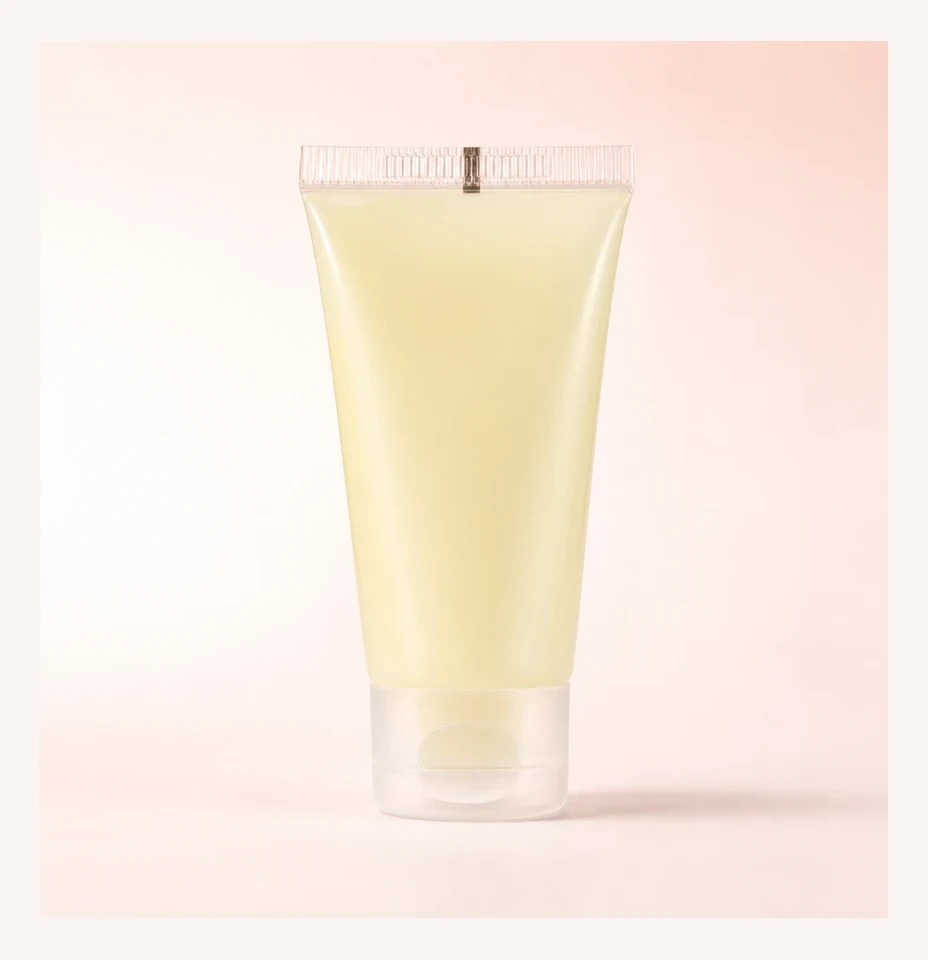
| Anua | numbuzin | |
|---|---|---|
| Key actives | Niacinamide 10%, tranexamic acid 4% | Glutathione, vitamin C derivatives |
| Format | Serum, 30 ml | Cream, 15 ml |
| How it is used | All over the face, once or twice daily | On specific spots, or as a small last step |
| Stated goals | Pigmentation, glow | Pigmentation, glow |
| Evidence behind the actives | Niacinamide and tranexamic acid are both well studied for tone | Topical glutathione is far less established than oral or injected use |
| Size & price | 30 ml, about $22 | 15 ml, about $10 |
| Best for | Overall unevenness, post-acne marks, general tone | Testing glutathione cheaply, or a few stubborn spots |
| Who should skip it | Anyone who already reacts to high-percentage niacinamide | Anyone wanting a full-face treatment u2014 15 ml will not stretch |
The verdict
For general unevenness and post-acne marks across the whole face, the Anua serum is the more substantial choice: both of its actives have a real literature behind them for tone, and 30 ml is enough to use properly. The numbuzin cream is a low-risk way to try glutathione on a few specific spots for ten dollars, but 15 ml is a sampler, not a course of treatment. If you can only buy one, buy the serum.
Buy — from $22 Opens the retailer’s page in a new tab. Prices change with promotions — the shop shows the current one.
Buy — from $10 Opens the retailer’s page in a new tab. Prices change with promotions — the shop shows the current one.
The short version
Both of these are sold against dark spots, but they are not interchangeable. Anua’s Niacinamide 10% + TXA 4% serum is a 30 ml, full-face product built on two ingredients with a well-documented history in tone work. numbuzin’s No.5 Glutathione Vitamin Dark Spot Cream is a 15 ml targeted cream around a trendier and much less established active.
The actives, honestly
Niacinamide and tranexamic acid
Niacinamide at 10% is a high but common cosmetic level; it is one of the most studied ingredients in the category for uneven tone and oil balance. Tranexamic acid at 4% comes out of medical use for melasma and has become a standard cosmetic addition. Neither works fast — think months, not weeks — and neither replaces daily sunscreen, which is what keeps new marks from arriving while the old ones fade.
One caution: 10% niacinamide is enough to cause flushing or stinging in a minority of people. If that is you, drop the frequency to every other night rather than concluding the ingredient is off the table.
Glutathione and vitamin C derivatives
Glutathione is genuinely interesting as an antioxidant, but the strongest human evidence involves oral and injected use, which is a different matter from a cream applied to the skin’s surface. Topical formulas are plausible and pleasant; what they are not is proven at the level marketing sometimes implies. The vitamin C derivatives alongside it are the more familiar part of the formula. Buy this one curious, not certain.
Format changes the maths
Thirty millilitres of serum used across the whole face lasts roughly six to ten weeks. Fifteen millilitres of cream used on a few spots lasts a long time; used all over, it is gone in under a month. That difference is the real reason to think of these as different products rather than competitors on price. At about $22 against about $10, the numbuzin looks cheaper until you try to use it as your main treatment step.
Which one fits your skin
- Choose the Anua serum if your concern is overall dullness, post-acne marks scattered across your cheeks, or general tone — anything that needs a product you can apply everywhere.
- Choose the numbuzin cream if you have a small number of specific spots, you already have a serum you like, or you want a cheap trial of glutathione before committing to anything bigger.
- Consider both if you want a base layer plus targeted attention: serum first, cream dabbed on top of the spots afterwards. That stacking is low-risk, since neither active is an exfoliant.
What actually determines the result
With pigmentation, the products matter less than the two things around them: sun exposure and time. Consistent SPF is not an add-on to a dark spot routine — it is most of it, because unprotected daylight will resupply pigment faster than any serum removes it. Give either product twelve weeks, take a photo at the start in consistent lighting, and judge from that rather than from the mirror on any single morning. If deep, long-standing melasma is what you are treating, a dermatologist has tools that neither of these can match.
Frequently asked
Does topical glutathione actually fade dark spots?
The strongest human evidence for glutathione involves oral and injected use, which is a different matter from a cream on the skin's surface. Topical formulas are plausible and pleasant to use; what they are not is proven at the level the marketing implies.
Can I use the Anua serum and the numbuzin cream together?
Yes u2014 serum across the whole face first, cream dabbed on the specific spots afterwards. Neither active is an exfoliant, so the stacking is low-risk.
Is 15 ml enough for a dark spot cream?
On a handful of specific spots it lasts a long time. Used all over the face it is gone in under a month, which is why the ten-dollar price is less of a bargain than it first looks.
Does 10% niacinamide cause flushing?
It does in a minority of people, usually as stinging or a warm flush shortly after applying. If that is you, drop to every other night before concluding the ingredient is off the table.
How long until dark spots actually fade?
Give either product twelve weeks and take a photo at the start in consistent lighting. Daily sunscreen matters more than which one you picked, and our guide to niacinamide and tranexamic acid sets out a realistic month-by-month timeline.