Hada Labo H.A. Supreme Vita vs iUNIK Beta Glucan Power Moisture Serum
Two hydrating serums built on different humectants. Hyaluronic acid with a brightening addition, against fermented beta-glucan for compromised skin.
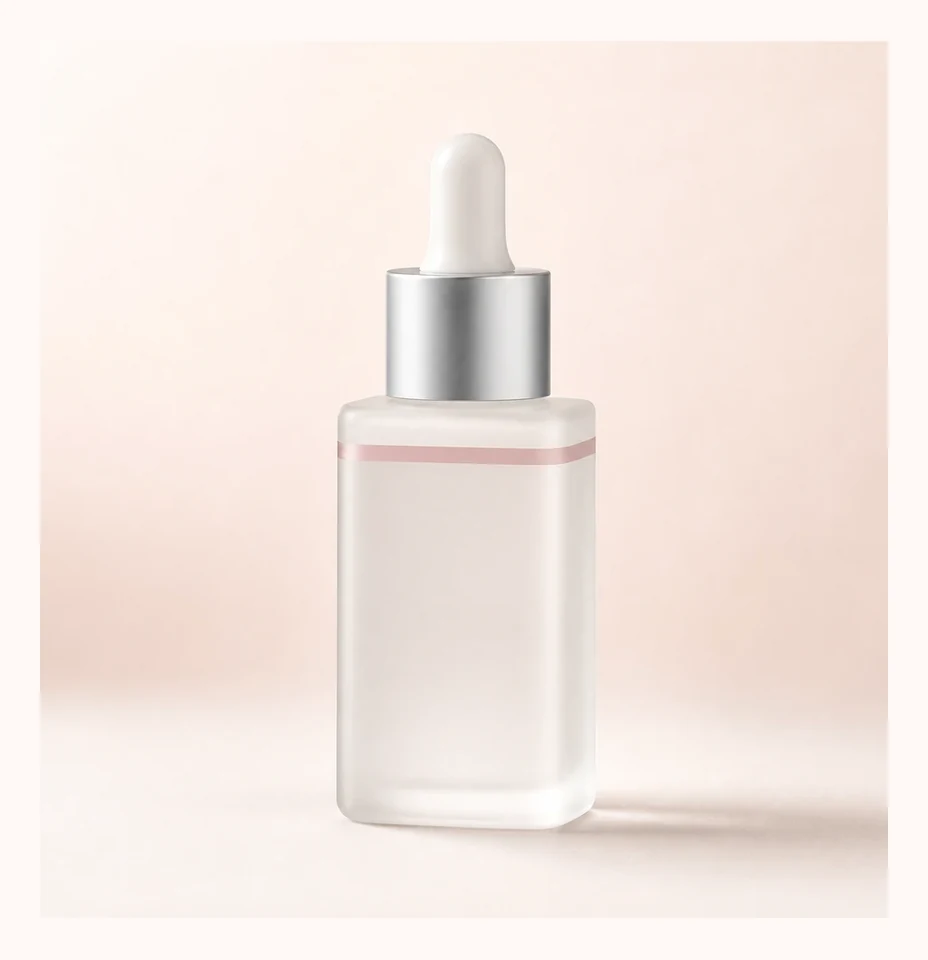
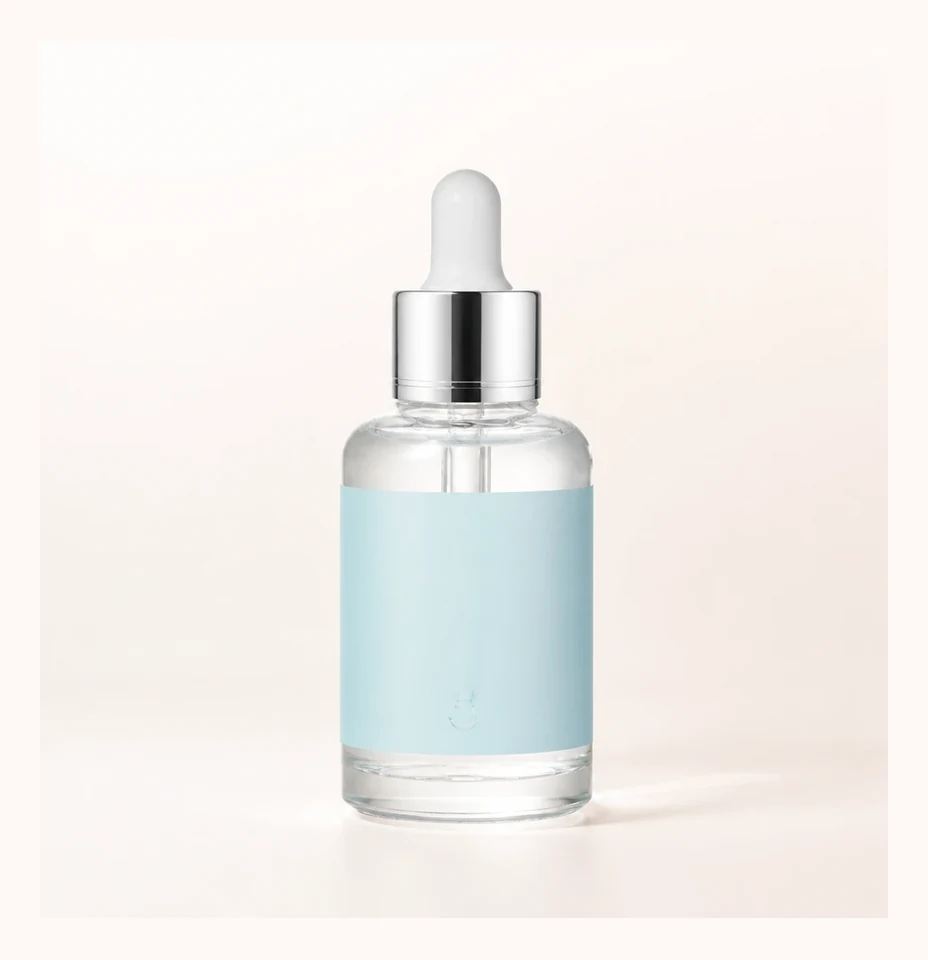
| Hada Labo | iUNIK | |
|---|---|---|
| Key actives | Hyaluronic acid, vitamin C derivative | Beta-glucan |
| Origin | Japan | Korea |
| Texture | Slippery, classic Hada Labo viscosity | Thicker, faintly gel-like, heavier on the skin |
| Stated goals | Hydration, pigmentation | Hydration, sensitive skin |
| Size & price | 30 ml, about $39 | 50 ml, about $21 |
| Cost per ml | About $1.30 | About $0.42 |
| Best for | Dehydrated skin that also wants a brightening nudge | Compromised, reactive or very dry skin |
| Who should skip it | Anyone on a budget u2014 it is the priciest hydrator here | Oily skin that dislikes heavier layers in summer |
The verdict
iUNIK is the better value and the better choice for compromised or reactive skin, since beta-glucan is the heavier, more cushioning humectant and 50 ml at about $21 is easy to use generously. Hada Labo costs roughly three times as much per millilitre, and what you get for it is the brand's layered hyaluronic acid texture plus a brightening addition. If hydration alone is the goal, iUNIK does it for less.
Buy — from $39 Opens the retailer’s page in a new tab. Prices change with promotions — the shop shows the current one.
Buy — from $21 Opens the retailer’s page in a new tab. Prices change with promotions — the shop shows the current one.
The short version
Both of these are hydrating serums, and both are honest about it — no firming claims, no exfoliation, just water held in the skin. The difference is which humectant does the holding. Hada Labo’s H.A. Supreme Vita Brightening Concentrate uses the layered hyaluronic acids the brand built its name on, with a vitamin C derivative added. iUNIK’s Beta Glucan Power Moisture Serum swaps the whole approach for fermented beta-glucan.
Hyaluronic acid versus beta-glucan
The Hada Labo route
Hyaluronic acid is the default hydrating ingredient for good reason: it holds a great deal of water and it feels light doing it. Hada Labo’s version layers molecular weights, which is a formulation approach aimed at a fuller, less superficial hydration. The vitamin C derivative is the “Vita” part — a mild brightening addition, not a treatment-strength vitamin C serum. If pigmentation is your main goal, this is not the product for it.
The iUNIK route
Beta-glucan is a polysaccharide, usually yeast- or oat-derived, that holds water similarly but sits heavier on the skin and carries a soothing reputation. iUNIK arrives at it through fermentation. In practice this is the option people move to when hyaluronic acid alone stops feeling like enough — after a course of actives, in a dry winter, or on skin that is simply reactive.
How they feel
Hada Labo’s texture is the familiar one: slippery, viscous, and quick to sink in with a little patting. It works on any skin type and under anything. iUNIK is thicker and takes longer to settle, leaving a faint cushion behind. Dry skin reads that as comfort; oily skin in humid weather reads it as one layer too many. Neither is a moisturiser, so both still need a cream over them if your skin is dry.
Price is the biggest gap here
About $39 for 30 ml against about $21 for 50 ml — roughly $1.30 per millilitre versus $0.42. That is a three-fold difference in a category where the ingredients themselves are not expensive. Hada Labo is a respected formulator with a texture people are loyal to, and the brightening addition has some value, but nobody should buy it under the impression that hydration is more effective at triple the price.
Which one fits your skin
- Choose Hada Labo if you like the brand’s texture, you want a light hydrator that layers under anything, and the brightening angle appeals as a bonus rather than a reason.
- Choose iUNIK if your skin is compromised, reactive or genuinely dry, or if you want to use a hydrating serum generously without watching the bottle.
- Neither, if your skin is only dehydrated because you are over-cleansing or over-exfoliating. Fix that first — a hydrating serum applied over a stripped barrier is an expensive way to postpone the problem.
Getting more out of either
Both work better applied to skin that is still slightly damp, and both need something over the top to hold the water in — a moisturiser or, in dry climates, a cream with occlusive ingredients. On its own, in dry indoor air, a humectant serum can leave skin feeling tighter than before. That is not a fault in either formula; it is how humectants behave without a lid on them.
Frequently asked
Is beta-glucan better than hyaluronic acid?
Beta-glucan holds water similarly but sits heavier on the skin and carries a soothing reputation, which suits compromised or genuinely dry skin. Hyaluronic acid feels lighter and layers under anything. Neither wins across the board u2014 it is a texture and skin-state decision.
Is Hada Labo H.A. Supreme Vita worth about $39?
You are paying roughly three times per milliliter for a texture people are loyal to, plus a mild brightening addition. That can be a fair trade if you like the feel, but nobody should buy it expecting hydration to work better at triple the price.
Will the vitamin C in Hada Labo fade dark spots?
The Vita part is a derivative at a supporting level, not a treatment-strength vitamin C serum. If pigmentation is your main goal, this is not the product for it.
Does a hydrating serum replace a moisturizer?
No. Both of these are humectants, and a humectant needs something over it to hold the water in. In dry indoor air, a hydrating serum with nothing on top can leave skin feeling tighter than before u2014 that is how humectants behave, not a fault in the formula.
Why does my hydrating serum make my skin feel drier?
Usually one of two things: no occlusive layer over it, or a barrier stripped by over-cleansing and over-exfoliating. Fix the second first u2014 our barrier repair guide covers the reset u2014 because a serum over a damaged barrier is an expensive way to postpone the problem.