medicube PDRN Pink Peptide Serum vs VT PDRN Capsule Cream 100
Both are built on PDRN. One is a 30 ml serum with added peptides, the other a 50 ml cream for dry, tight skin. Here is how to pick.
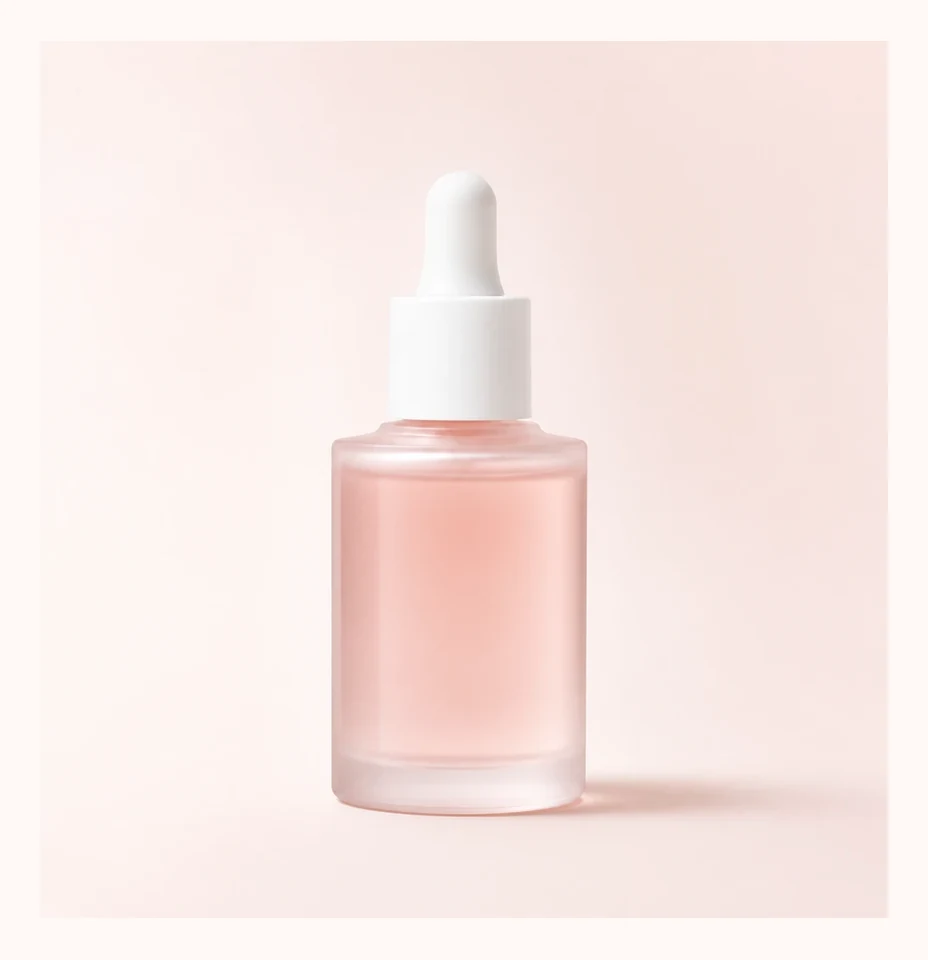
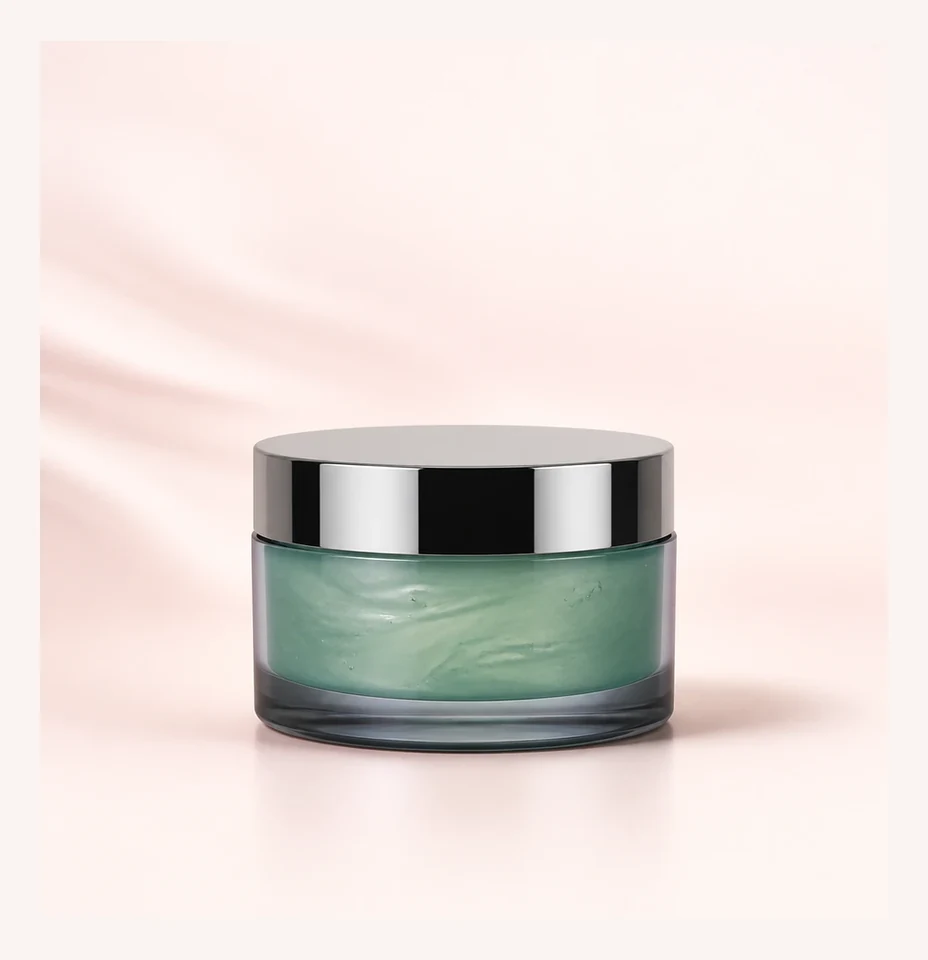
| medicube | VT | |
|---|---|---|
| Key actives | PDRN, peptides | PDRN |
| Format | Serum, 30 ml | Cream, 50 ml |
| Technology | Encapsulation | Encapsulation |
| Stated goals | Firmness, glow | Barrier repair, firmness |
| Where it goes | Early step, after essence, under moisturiser | Last step before SPF, or overnight |
| Size & price | 30 ml, current price on YesStyle | 50 ml, about $33 |
| Best for | Normal to combination skin that wants a light active step | Dry or tight skin that reacts badly to thin serums |
| Who should skip it | Very dry skin using it as the only moisturiser | Oily skin in summer, or anyone who wants peptides too |
The verdict
If your skin is normal to combination and you want PDRN plus peptides in a step you can layer freely, the medicube serum is the more flexible buy. If your skin is dry, tight or easily irritated and you would rather not add another thin layer, VT's cream delivers the same headline active in a format that also does the moisturising. They overlap enough that owning both is redundant for most routines.
Check Price on YesStyle Opens YesStyle in a new tab. We may earn a commission if you buy through this link.
Buy — from $33 Opens the retailer’s page in a new tab. Prices change with promotions — the shop shows the current one.
The short version
Both products are built on PDRN, the polynucleotide ingredient that moved from Korean clinic menus into everyday routines over the last two years. The difference is not the active — it is the vehicle. medicube’s PDRN Pink Peptide Serum is a 30 ml serum that also carries peptides. VT’s PDRN Capsule Cream 100 puts the same headline ingredient into a 50 ml moisturiser aimed at dry, tight skin.
What is actually in them
medicube PDRN Pink Peptide Serum
Two active families here: PDRN and peptides, in an encapsulated delivery format. Encapsulation is primarily a stability story — it keeps fragile actives intact in the bottle and slows their release — and brands often stretch it further than that. Treat “deeper delivery” as a claim, not a measurement. medicube positions the serum for firmness and glow, which is where a light, early-routine step has the most room to work.
VT PDRN Capsule Cream 100
PDRN on its own, also encapsulated, in an emollient base. VT positions it for barrier repair and firmness, and the format is the point: a cream sits on the surface, slows water loss, and buffers whatever actives it carries. Skin that stings at thin, fast-absorbing serums often tolerates the same ingredient in a cream without complaint.
Texture and how they wear
The serum is the more flexible of the two. It layers cleanly, sits under sunscreen without pilling for most people, and can run morning and night without displacing anything else. The cream is a finishing step — richer, slower to sink in, and best in cold months or on skin that already feels tight by mid-afternoon. In a humid summer, an oily-skinned reader will likely find it too much for daytime and fine at night.
Price and value
The serum comes in a 30 ml bottle, the cream in a 50 ml jar at around $33. Per millilitre a cream often looks cheaper, but that is not a fair read: you use a cream more generously than a serum, so the two probably last a similar number of weeks. Prices move with promotions, so check the shop page before you decide on cost alone.
Which one fits your skin
- Choose the medicube serum if your skin is normal to combination, you already own a moisturiser you like, and you want peptides in the same step.
- Choose the VT cream if your skin is dry, flaky or reactive, or if your current routine is already four layers deep and you would rather upgrade the moisturiser than add another bottle.
- Neither is a good idea if your skin is actively irritated. Fix the barrier with something plain first, then reintroduce actives one at a time.
Can you use both?
You can — serum first, cream second — but there is little reason to. Both lead on the same ingredient, so stacking them mostly buys you a second full-price product for a marginal increase in the amount of PDRN on your face. If you want to layer, a more useful pairing is one PDRN product plus something that works on a different mechanism, such as a niacinamide serum for tone or a retinoid at night.
What not to expect
PDRN in topical skincare is a young category. Most of the well-known research sits on injected polynucleotides in a clinical setting, which is a different dose and a different route into the skin. Cosmetic formulas can be pleasant, hydrating and worth the money without matching those results, and any brand implying otherwise is selling a claim. Give either product a full eight to twelve weeks, judge it on comfort and how your skin looks in ordinary light, and keep your sunscreen habit — that remains the part of the routine with the strongest evidence behind it.
Frequently asked
Which is better, the medicube PDRN serum or the VT PDRN cream?
Normal to combination skin that already owns a moisturizer it likes is better served by the serum, which layers freely and adds peptides. Dry, tight or easily irritated skin does better with the cream, which handles the moisturizing step at the same time.
Can I use both PDRN products together?
You can u2014 serum first, cream second u2014 but there is little reason to. Both lead on the same active, so stacking mostly buys a second full-price product; pairing PDRN with a different mechanism, such as a niacinamide serum or a retinoid at night, is more useful.
Does encapsulated PDRN penetrate deeper?
Encapsulation is primarily a stability story: it keeps a fragile active intact in the bottle and slows its release. Treat deeper delivery as a claim rather than a measurement, however often it appears on a box.
How long before a PDRN product shows results?
Give either one a full eight to twelve weeks and judge on comfort and how your skin looks in ordinary light. Topical PDRN is a young category and most of the well-known research sits on injected polynucleotides u2014 our PDRN guide walks through what that evidence does and does not cover.
Is PDRN safe to use when my skin is already irritated?
Neither of these is where to start on actively irritated skin. Get the barrier back with something plain and fragrance-free first, then reintroduce actives one at a time.